🔎 TL;DR
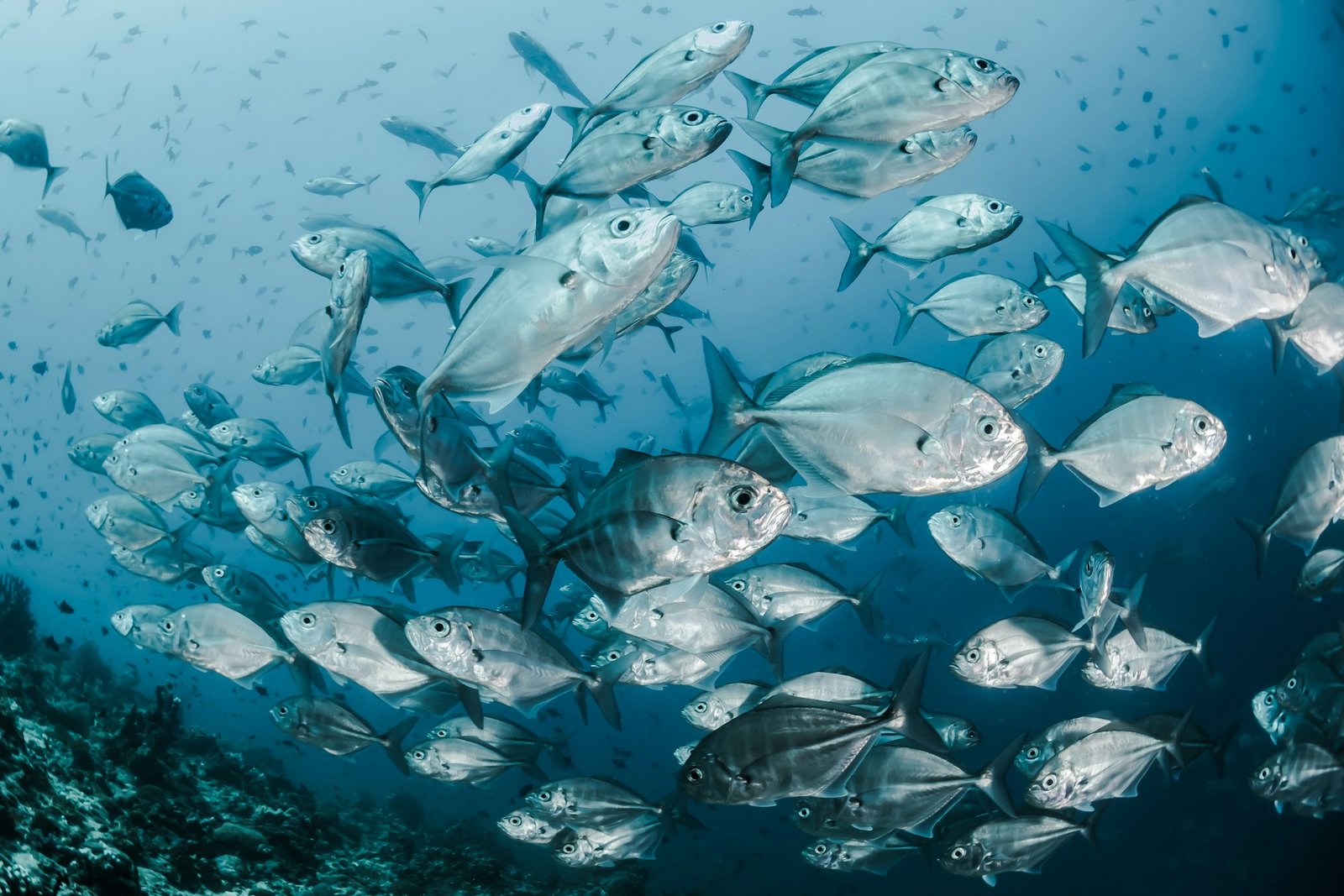
- Mesoamerican Reef = world's second-largest barrier reef. 1,000+ km from Mexico through Belize, Guatemala, Honduras.
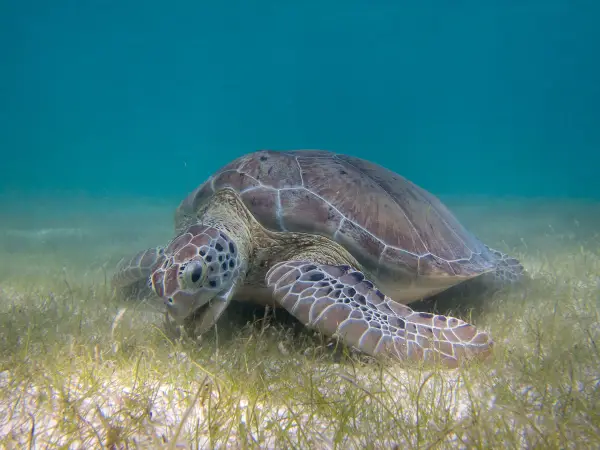
- Main Cancún sites: MUSA (artificial sculptures), Manchones (shallow turtles), Punta Nizuc (beginner-friendly), El Meco (larger pelagics).
- Morning trips only — visibility peaks 7–11 am. Afternoon wind picks up, water gets choppy.
- Bleaching is real; deeper sites (20 m+) are healthier post-2023–24 heat waves.
The sites, ranked by experience
| Site | Depth | Signature | Level |
|---|---|---|---|
| MUSA | 8–12 m | 500+ submerged sculptures now artificial reef | Open Water+ |
| Manchones | 10–18 m | Shallow, best turtle encounters | Open Water+ |
| Punta Nizuc | 8–14 m | Close to shore, beginner-friendly | Discovery-friendly |
| El Meco | 12–22 m | Eagle rays, larger pelagics | Open Water+ |
| Chitales | 15–25 m | Eel garden, less-visited | Advanced |
Why mornings matter
The reef breathes with the trade wind. Wind builds from 10 am onwards. Calm glass viz = 7 am boat, 8 am first dive. By 2 pm most reefs have lost top clarity.
Book your reef morning. Reef diving Cancún →
Frequently asked questions
Is the reef alive?
Partially. Some coral species have bleached post-2023–24 heat events; others recovered. It is still ecologically significant and worth diving.
Beginner-friendly reef site?
Manchones or Punta Nizuc. 10–14 m max, calm, lots to see.
Best photo site?
MUSA — the sculptures are unique globally. Bring a wide-angle.
Sharks?
Rarely at these sites. Nurse sharks occasionally; reef/bull sharks farther offshore (Playa del Carmen).
Reef-diving week?
Dates + dive count — we pick the right site for each morning.