Cathedral light beams
Sun pierces the openings of cenotes and refracts through the water column — the iconic “light beam” shots only happen here.
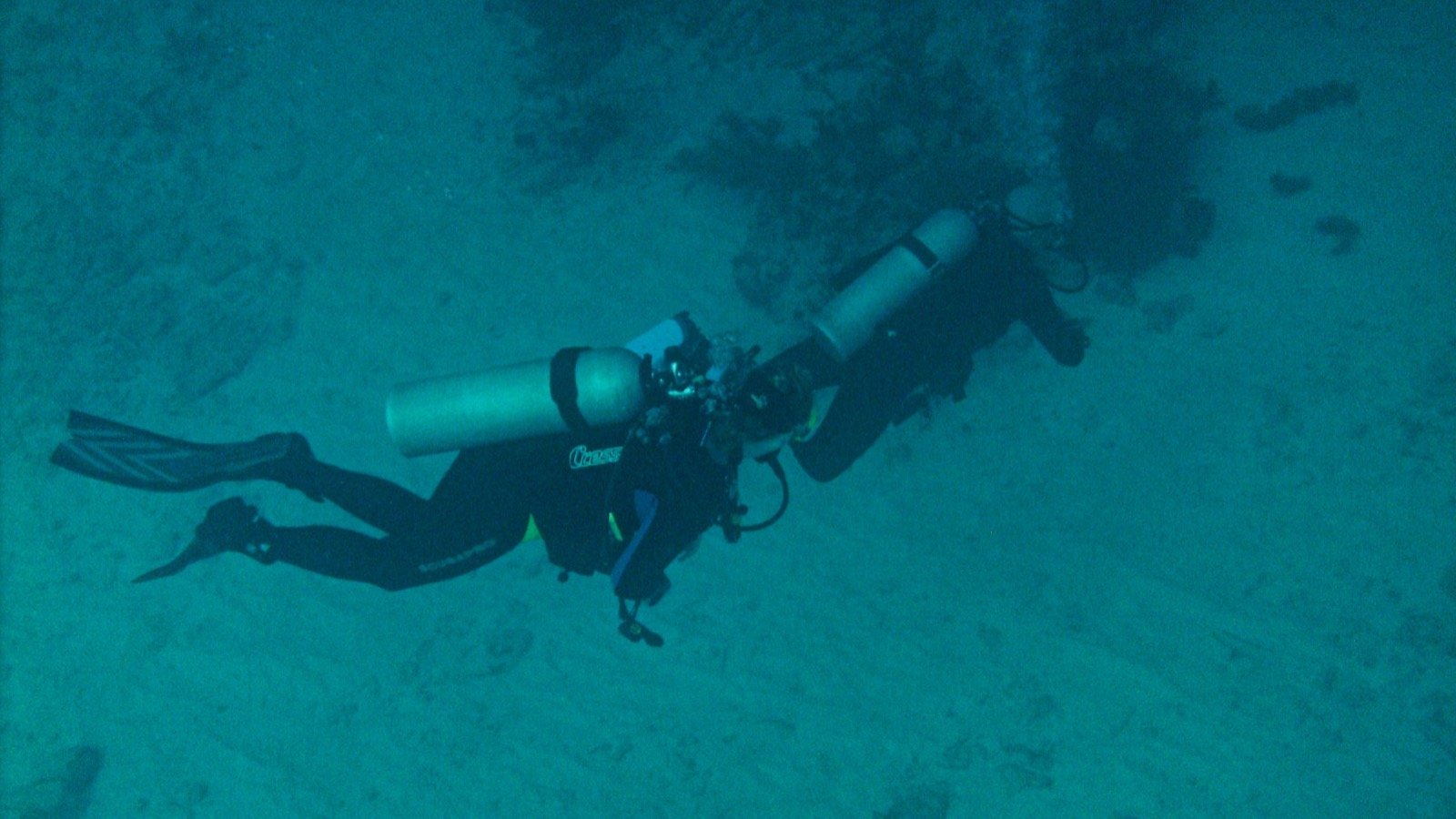
The world's largest underwater cave system — cavern routes for Open Water, full-cave for certified divers
Cenote diving in the Riviera Maya is unlike anywhere else on earth. The Yucatán peninsula sits on top of a 350+ km network of flooded freshwater caves, fed by hundreds of cenotes (sinkholes that open the system to the sky). Visibility commonly exceeds 50 m. Light beams pierce the cathedral chambers. Halocline transitions blur reality.
We dive the classics through PADI- and SDI/TDI-certified partner shops: Dos Ojos (the bar-room and barbie-line cavern routes — accessible to Open Water certified divers), Gran Cenote (jungle entrance, turtle and fish, light play), and The Pit (40-m halocline, full-cave only). Every dive includes a divemaster trained in cavern/cave protocols.
Departures from Tulum and Playa del Carmen with round-trip transfer included. Two-tank trips are standard. Bring your Open Water certification card; we verify before booking. Cave-only routes require full cave certification — we ask you to send your card before reserving.
Geology, water clarity and dive culture combine in a way that doesn't exist anywhere else.
Sun pierces the openings of cenotes and refracts through the water column — the iconic “light beam” shots only happen here.
Where freshwater meets salt water, the optical illusion bends light. The Pit is the most famous halocline — 40 m of pure visibility shimmer.
Sac Actun and Ox Bel Ha together exceed 350 km — the longest underwater cave systems on the planet, both still being mapped.
Cenote water is a constant 24 °C year-round. 3 mm wetsuit is sufficient. Visibility is reliably 30–50+ m.
Cenote divemasters hold cavern, intro-cave or full-cave certifications. They run line drills, light protocols and gas planning before every dive.
Open Water → cenote cavern (with us) → PADI/SDI Cavern course → Intro Cave → Full Cave. Many divers progress over multiple visits.
Two adjoining cenotes joined underwater — the Bar Room route (light play) and the Barbie Line (longer cavern). The classic intro cenote dive.
Jungle entrance, turtles in the open section, light beams in the cavern. Excellent intro to halocline. Often the “first cenote dive” for visiting Open Water divers.
The deepest cenote dive in the area (40 m). Halocline at 14 m, hydrogen-sulfide cloud below. Requires full-cave certification.
Famous “underwater river” effect — a dense hydrogen-sulfide cloud at 30 m looks like a riverbed when you swim above it. Advanced cenote dive.
Cenotes are open year-round. Water 24 °C constant. Best months Oct–May for clear weather and easier transfer driving. Hurricane season (Aug–Oct) doesn't affect cenote diving directly but may complicate logistics.
Cavern diving stays within sight of the surface light at all times — distance from open water never exceeds 60 m and depth stays shallow. Cave diving leaves the light zone and requires full-cave certification (Intro to Cave, then Full Cave). Open Water divers can do cavern routes with us; only cave-certified divers can do The Pit, Angelita beyond 30 m, or non-cavern routes.
For Dos Ojos cavern, Gran Cenote and most popular sites: no. Open Water + 25 logged dives is the typical minimum. For The Pit, deep Angelita, or any “cave” route: yes — full-cave certification required and verified before booking.
Reliably 30 m, often 50+ m. The water is fresh and filtered through limestone. Halocline transitions briefly blur visibility (the famous “Vaseline” effect) but clarity returns within meters.
A constant 24 °C year-round. A 3 mm full wetsuit is comfortable for most divers. Some divers add a hooded vest for the Pit's deeper hydrogen-sulfide layer where it feels noticeably colder.
Round-trip transfer from Tulum, Playa del Carmen, Akumal and Puerto Aventuras hotels is included. Cancún pickups are possible with an extra transfer fee. Two-tank trips depart 7:30–8:30 AM and return mid-afternoon.
Two-tank cenote dives are quoted per person; private guide trips per group. Pricing varies by dive site (some cenotes have higher entrance fees) and dive count. Send WhatsApp with cert level, dates and target sites; we respond in under 1 hour.
PADI, SDI/TDI, SSI, NAUI and CMAS Open Water (or higher) are all accepted. Send a photo of your card before booking. For cave routes we accept full-cave certs from PADI TecRec, NSS-CDS, IANTD and TDI.
When done with a cavern-trained guide on a properly briefed route, yes — the safety record is excellent. The risk profile increases dramatically when divers exceed their certification or skip dive briefings. We're strict about both.
Send certification level, dates and target cenotes — we respond within 1 hour with confirmed pricing and dive plan.