🔎 TL;DR
- If you are a first-time diver: do reef first. It is half-day, easier, cheaper and builds comfort.
- If you are Open Water + experienced: cenote first. It is the once-in-a-lifetime wow.
- Ideally, do both in the same trip: reef Monday + cenote Wednesday, with a rest day between.
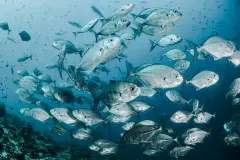
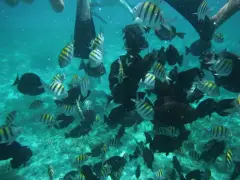
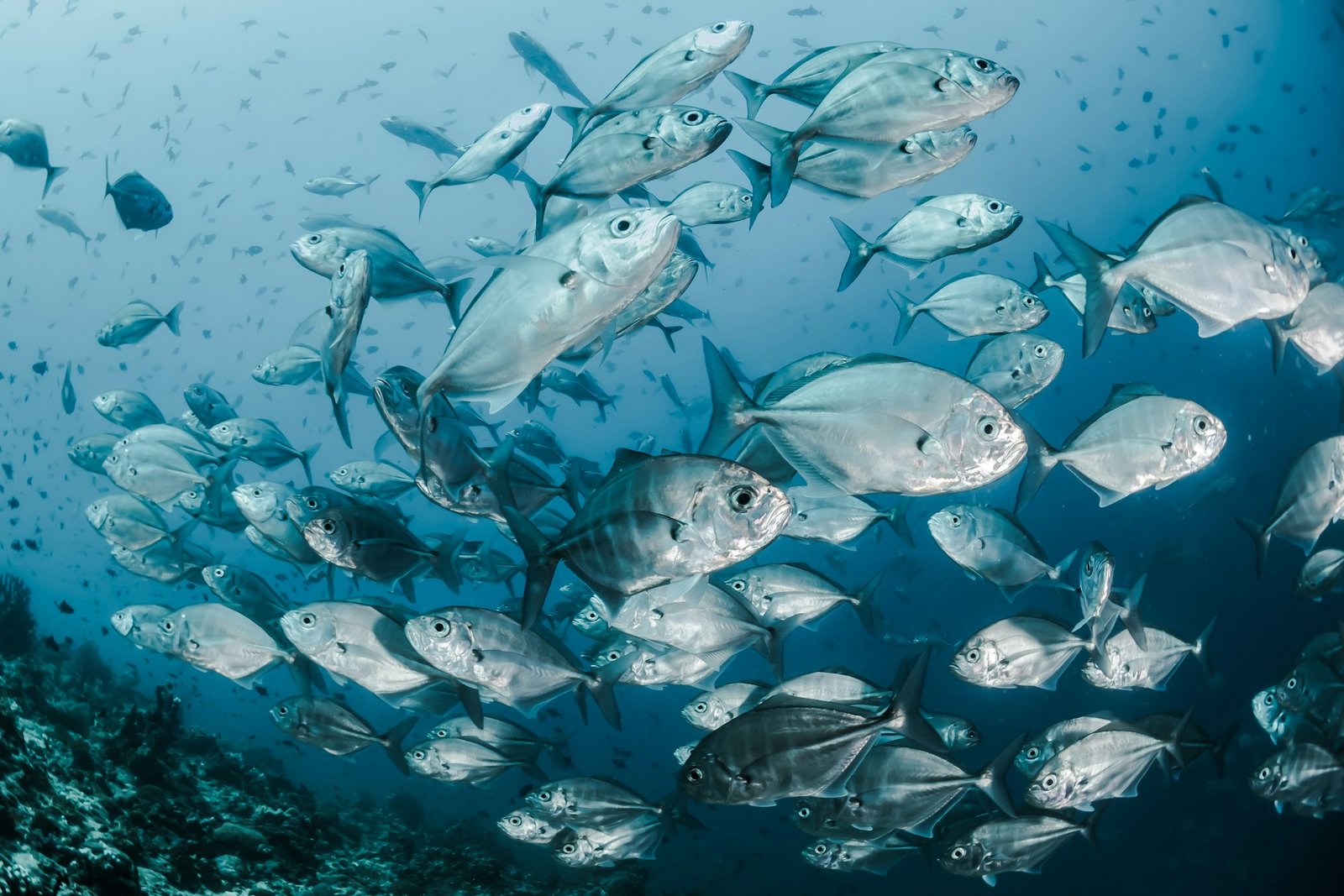
- Reef: saltwater, fish, colour, 20–40 m viz. Cenote: freshwater, cathedral, laser light, 30–100 m viz.
Side-by-side comparison
| Reef diving | Cenote diving | |
|---|---|---|
| Water | Salt · 26–29 °C | Fresh · 24–25 °C |
| Trip length | Half day (7 am–1 pm) | Full day (6 am–5 pm) |
| Depth | 12–30 m | 8–30 m (avg 12) |
| Visibility | 20–40 m | 30–100 m |
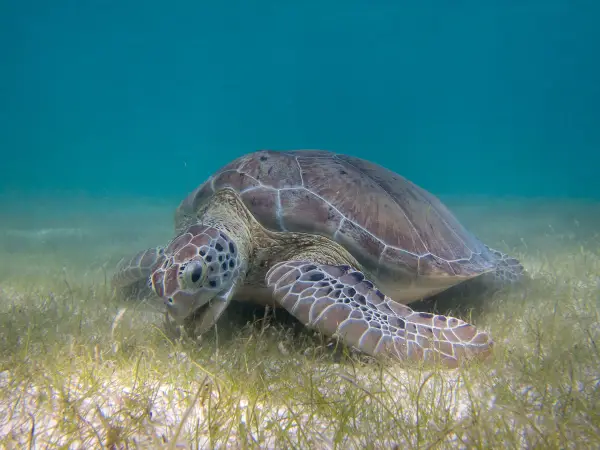
| Marine life | High — fish, turtles, rays | None visible — freshwater ecosystem |
| Certification | Open Water+ | Open Water + cavern-guided |
| Price | $90–150 USD (2 tanks) | $180–280 USD (2 cenotes) |
| Dramatic factor | High on good viz day | Always |
Which first, decided by your profile
- First open-water dive ever after cert: reef. Build comfort in daylight and marine life.
- Open Water with 10+ dives logged: cenote. You are ready for the overhead environment, and it is unforgettable.
- Advanced Open Water holder: cenote, specifically Angelita or The Pit — the sulfur cloud / halocline dives only Advanced can do.
- Nervous diver: reef only. Cenotes have a ceiling above you, which some divers find psychologically heavy regardless of objective safety.
Decide with help. Browse Cancún dive programs →
Frequently asked questions
Can I do both in the same day?
Physically possible but not recommended. Reef is saltwater at depth, cenote is freshwater with altitude — the combined nitrogen load and logistics are not worth it. Do them on separate days.
Which has better photography?
Depends. Reef gives you colour and fish. Cenote gives you light beams and geometry. Most underwater photographers end up going back for both.
If I can only afford one, which?
Cenote. It is the dive you cannot do almost anywhere else on Earth. Reef diving (good reef diving) exists in 50+ countries. Cenote diving at this scale exists only on the Yucatán Peninsula.
What about the MUSA underwater museum?
MUSA is a reef dive and a great one — 500+ submerged sculptures that have become artificial reef. If sculpture-plus-fish is your thing, it can be the best reef dive in the area.
Book one or both
Still undecided?
Tell us your certification level and dive count — we give you a straight recommendation.