



Nortes season reliability
Nov–Mar delivers 15–25 knot side-onshore winds for 3–7 days per week. Cold fronts are predictable from NOAA forecasts.

Kitesurf Progreso during the famous nortes season (Nov–Mar), when cold fronts sweep down from the Gulf of Mexico and deliver 15–25 knots of consistent side-onshore wind for days on end. The Yucatán north coast — Chicxulub, Chelem, Yucalpetén, Telchac — is one of Mexico\'s most underrated kite destinations.
What makes it special: flat, shallow water (waist-deep 100 m offshore), warm 26–29 °C temperatures, wide uncrowded beaches and prices 40% below Tulum or the Caribbean. Perfect for learning, for riders looking for big-air flat-water playgrounds, and for anyone doing downwinders on the 80-km stretch from Telchac to Sisal.
We run IKO-certified lessons (beginner to freestyle), rent full kit (kite, board, harness, impact vest, helmet) and guide downwinders. All sessions are weather-checked and we only kite when conditions are truly safe.
Consistent nortes, bathtub-flat water and uncrowded beaches — the opposite of busy Caribbean kite spots.
Nov–Mar delivers 15–25 knot side-onshore winds for 3–7 days per week. Cold fronts are predictable from NOAA forecasts.
Shallow sand bottom, no reef, no waves. Waist-deep 100 m offshore. Perfect for learning, freestyle and powered-hooked riding.
Our instructors are IKO-certified — structured progression from flying a trainer kite to first rides. 3-day beginner course gets most people water-starting.
The Yucatán coast runs 80 km east–west. Classic downwinders: Chelem → Chicxulub (12 km), Telchac → San Crisanto (10 km), Sisal → Chelem (30 km advanced).
Water 26–29 °C, air 26–32 °C even in January. Board shorts and a rash guard is all most riders wear. No drysuit culture here.
Lessons, rentals and accommodation in Progreso are significantly cheaper than Tulum or Holbox. Same wind, half the price, no crowds.
Four spots within a 40-km stretch — each with a different wind direction and vibe.
The classic Progreso spot — wide beach, side-onshore north wind, shallow flat-water lagoon at low tide. Our main teaching beach.
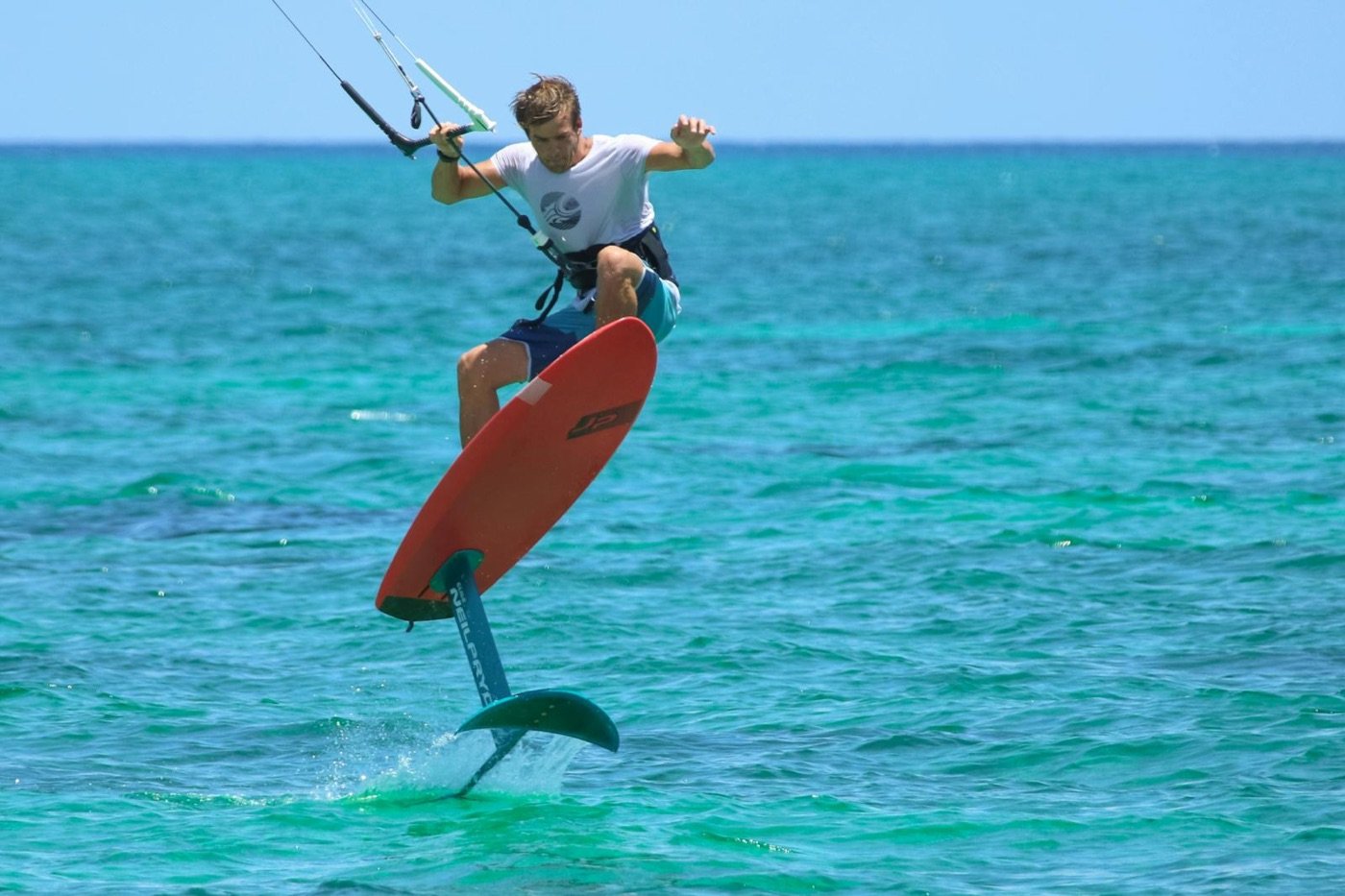
Side-shore north wind, slightly choppier water. Popular with experienced riders and as a downwinder midpoint from Sisal.
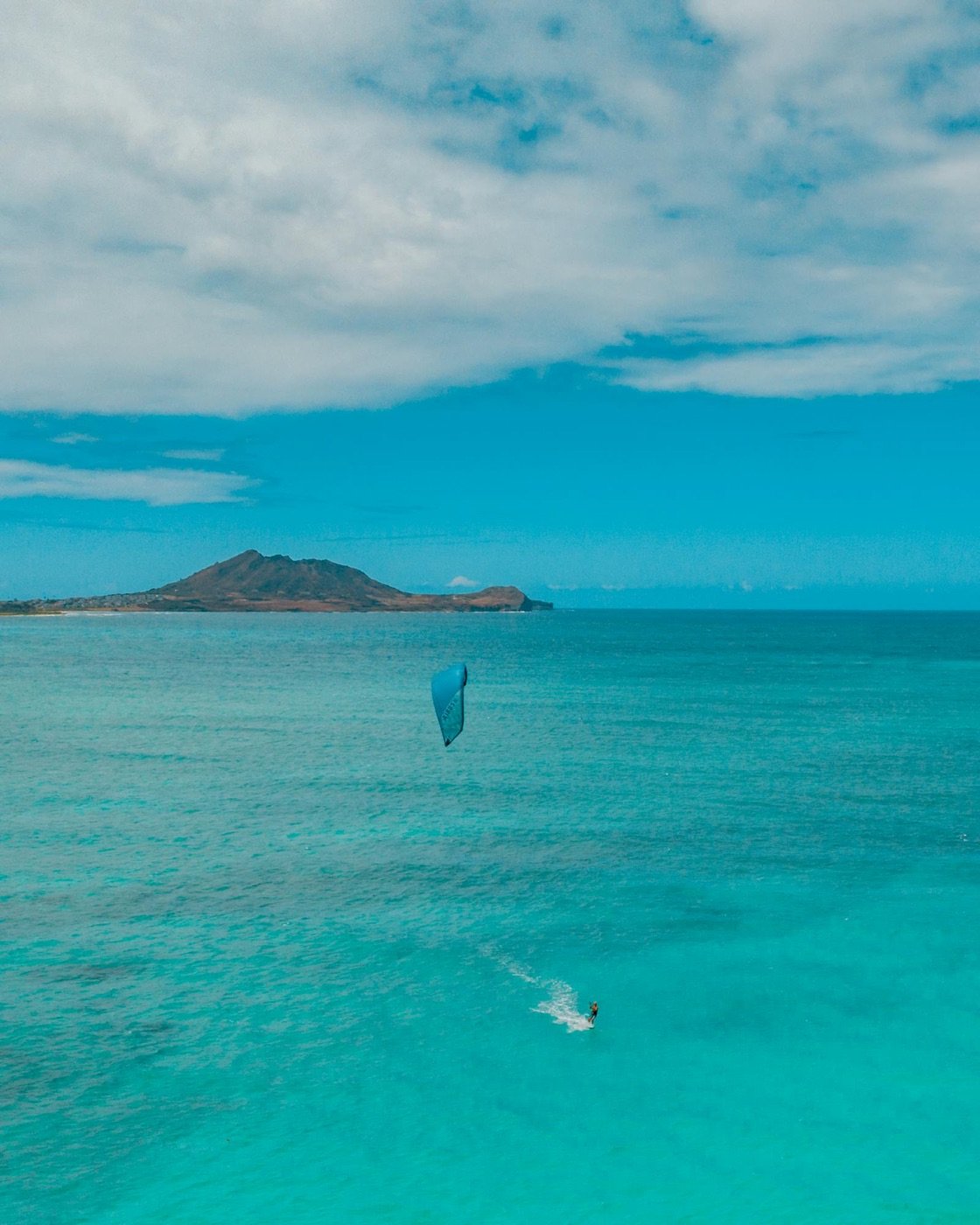
Shallow protected bay 40 min east of Progreso. Ultra-flat water, fewer people — the local pros' choice for freestyle sessions.
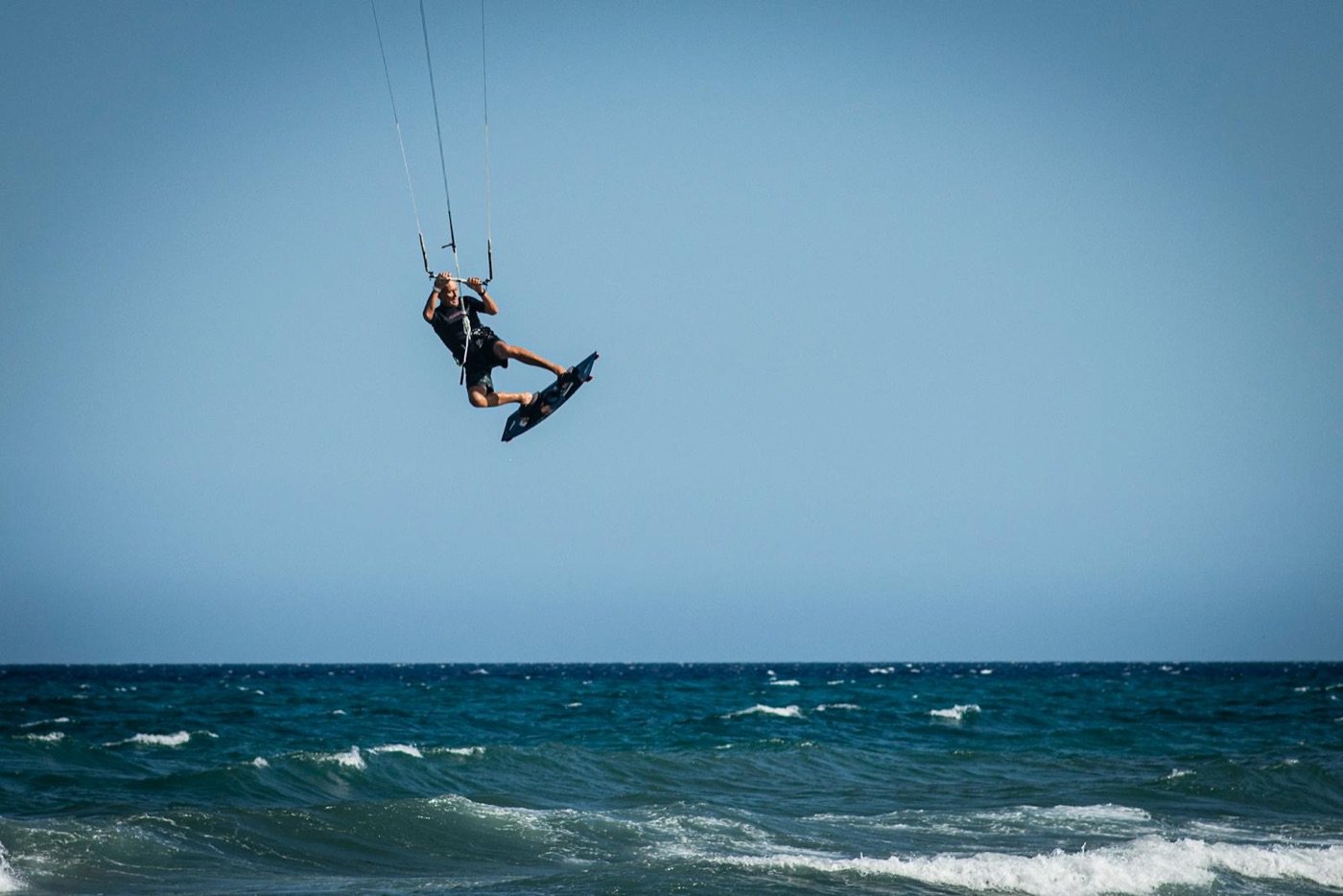
Palm-grove village east of Telchac. Ideal finish point for a 10 km downwinder. Cenote dip afterward is the local post-session ritual.
Progreso kitesurf is an inverse season — peak is Nov–Mar when cold fronts ("nortes") deliver 15–25 knots for days. May–Sep is thermal wind only (lighter, less reliable). Plan your trip in the window that works for your level.
Three packages — beginner to advanced, all with IKO-certified instructors.
Trainer kite, body-dragging, first water starts. Most students stand up and ride short distances by day 3. IKO certification level 1–2.
Complete kit for independent riders: kite (9/10/12 m), twin-tip board, harness, vest, helmet, leash. Duotone, North, Core brands.
Chelem → Chicxulub or Telchac → San Crisanto with a chase boat. Intermediate+ riders only (must water-start consistently).
November through March is peak nortes season — the Gulf of Mexico receives cold fronts every 4–7 days that deliver 3–5 straight days of 15–25 knot side-onshore wind. Apr and Oct are shoulder months. May–Sep is thermal-only and unreliable for planned trips.
"Nortes" are cold fronts that sweep down from the US into the Gulf of Mexico during the Northern Hemisphere winter. They're predictable (visible 3–5 days out on forecasts) and build gradually. Not dangerous for kitesurfing — in fact, they're what we want. We only cancel if winds exceed 30 knots or lightning is nearby.
Yes — our instructors hold IKO (International Kiteboarding Organization) certifications and follow the structured IKO progression: trainer kite → body drag → water start → riding. Level 1–2 certification included in our 3-day beginner course.
Tulum: Caribbean turquoise, summer season (May–Sep), crowded, expensive. El Cuyo: similar nortes season to Progreso but more remote, 4 h from Mérida. Progreso: 40 min from Mérida, great food and culture access, 40% cheaper, less crowded than Tulum. Winter riders often pick Progreso or El Cuyo over Tulum.
Absolutely — it's the classic combo. Ride in the morning (wind typically builds 10 am–2 pm), eat lunch in Progreso, then drive 40 min to Mérida for cultural afternoon/evening. Many riders base themselves in Mérida and drive up daily.
The Yucatán interior has 6,000+ cenotes. Popular post-session dips: San Crisanto palm-grove cenote (5 min from Telchac), Cenotes de Homún (1 h inland). Most cenotes charge 50–150 MXN entry.
Typical nortes wind means most riders use 9 m or 10 m kites. Bring a 12 m for light days and a 7–8 m for the strongest fronts. Twin-tip or directional, your choice. We have rental stock if you're traveling light.
The Yucatán shelf has a small resident shark population but incidents with kitesurfers are zero on record. Jellyfish can appear in summer but are minor. Main wildlife you'll see: rays, pelicans, the occasional dolphin.
Yes — Progreso is actually one of the best beginner locations in Mexico. Shallow flat water, consistent wind, wide empty beaches. Most of our students are beginners. The downside for beginners is the nortes wind can sometimes be a bit strong (20+ knots) — we can swap lesson days for lighter forecasts.
Nortes season gives you 3–5 wind days per week on average, so a 5-day trip almost always catches 2–3 sessions. If the entire trip is flat (rare), we refund lesson fees or credit you for a future visit. SUP and kayak are great no-wind alternatives.
Our kite team responds during business hours (9 AM – 9 PM). Wind check on the day is free — we only run sessions in safe conditions.