🔎 TL;DR
- Cancún has two purpose-sunk military wrecks: the C-58 "Anchor" (ex-USS Harlequin, sunk 2000, top deck at 20 m, sand at 28 m) and the C-55 (sunk 2017, deeper profile around 30 m). Both are sanctioned artificial reefs created with SEMAR and CONANP oversight.
- Minimum certification: PADI Advanced Open Water for the deck of C-58, PADI Wreck Specialty for any line-guided penetration, full tec training for deeper / disorientation-risk sections.
- The MUSA underwater museum is not technically a wreck, but the same hull-encrustation biology applies — it sits at 8–12 m as a soft entry point for divers curious about wreck-style structure without the depth.
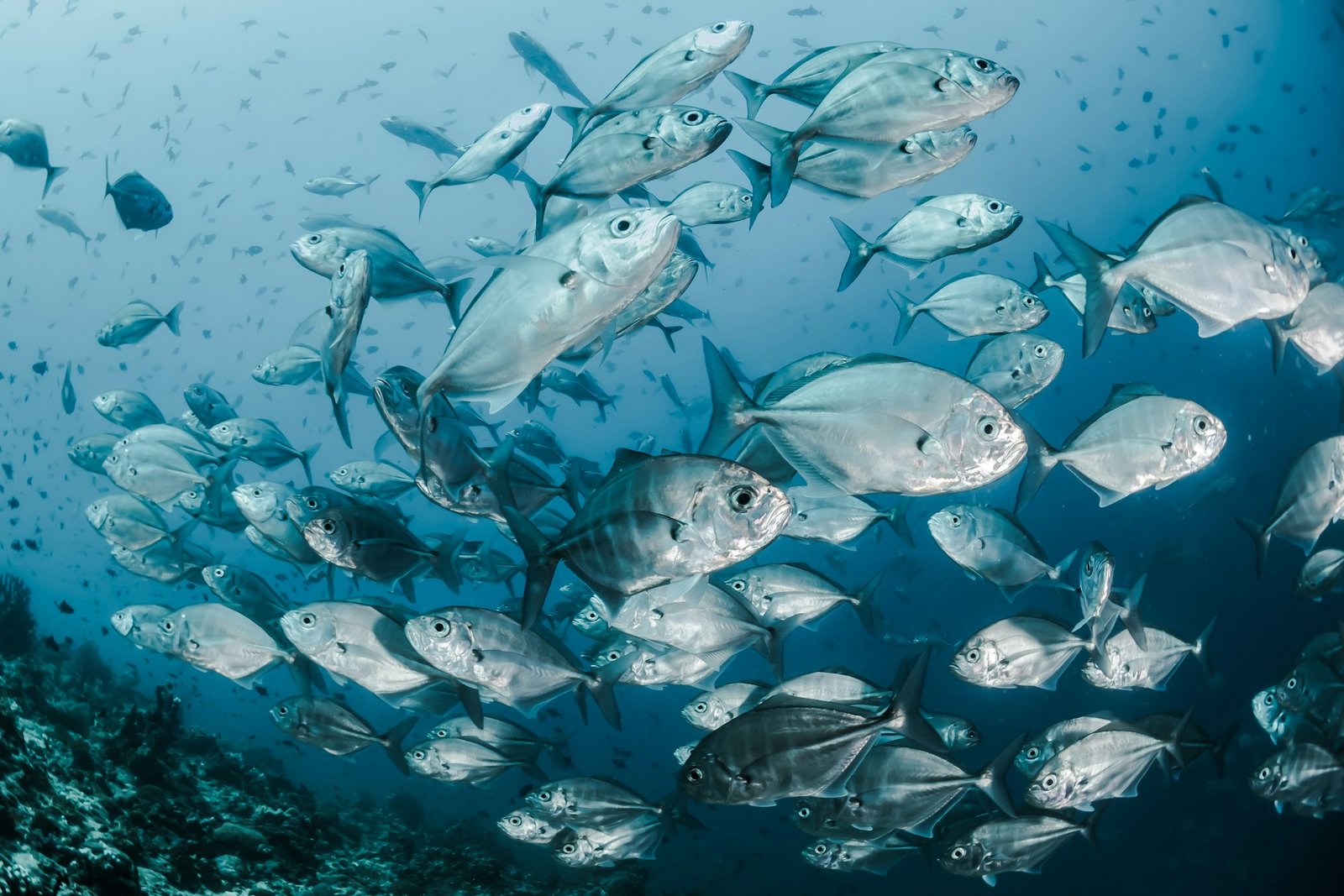
- Marine life inside both hulls: schooling horse-eye jacks, dog snapper, spotted eagle rays on the sand, nurse sharks resting in the engine room, and — Dec–Mar — occasional bull sharks passing through (the same season the Playa del Carmen pelagic appears, per IUCN Red List data on Carcharhinus leucas).
- Average price for a 2-tank wreck day in 2026: $140–180 USD. Anything significantly cheaper is dropping group ratios, briefings, or the rented BCD's last service date.
Why Cancún has the wrecks it has
Wreck diving in the Mexican Caribbean is mostly an act of intent, not accident. Unlike the Florida Keys or Truk Lagoon, this stretch of coast doesn't have a long maritime-disaster history at recreational depth — the reef wall keeps most shipping well offshore. What Cancún does have is a deliberate artificial-reef program run jointly by the Mexican Navy (SEMAR), CONANP and local dive operators, designed to add structure for marine life while taking pressure off the natural reef.
Two decommissioned navy ships and several hundred submerged sculptures form the core of that program. The wrecks are the deeper, more advanced product; the sculptures of the Underwater Museum of Art (MUSA) are the shallow gateway. Together they form a continuum from beginner-friendly art reef to advanced wreck dive — and most travellers don't realise how complementary the three sites are until a guide lays them out side by side.
The three pieces of the artificial-reef puzzle
- C-58 Anchor — ex-USS Harlequin, a WWII-era minesweeper sunk in 2000 off Isla Mujeres. Now the most-dived wreck on the Mexican Caribbean coast.
- C-55 — sunk in 2017 to extend the artificial-reef line. Deeper, less colonised, less crowded.
- MUSA — 500+ submerged sculptures by Jason deCaires Taylor and Mexican artists, now an active artificial reef ecosystem in 8–12 m.
The standard wreck day pairs the C-58 with a second shallower dive (often Manchones reef or MUSA) so divers get a proper deep + shallow profile inside no-decompression limits. The C-55 is usually run as a specialty trip for Advanced + divers, sometimes with nitrox.
C-58 "Anchor" — the dive in detail
The C-58 started life as USS Harlequin (AM-365), an Auk-class minesweeper commissioned by the U.S. Navy in 1944 and transferred to the Mexican Navy in the 1970s. After decades patrolling the Caribbean coast she was decommissioned, stripped of hazardous materials per Mexican environmental regulation, and intentionally sunk on 13 May 2000 in the channel between Cancún and Isla Mujeres. She rests upright in 28 m of water with the top of the bridge at around 20 m and the main deck at 22–24 m. The hull is approximately 56 m long.
What makes the C-58 the signature wreck dive of the Mexican Caribbean is the marine-life density that has built up over a quarter century. The hull is now covered in encrusting sponges, sea fans, gorgonians and black coral colonies, and the interior compartments shelter substantial fish populations: schools of horse-eye jacks circulate around the bow, dog and cubera snappers patrol the stern, the engine room often hides nurse sharks resting under the propeller shaft, and a resident green moray usually appears at the bridge windows. Eagle rays pass on the sand bottom; in winter months (Dec–Mar) the site is one of several Mexican Caribbean locations where transient bull sharks are documented (IUCN).
The dive profile
- Descent on the mooring line at the bow — typical visibility 20–30 m, sometimes more on a calm February morning.
- Bow swim along the port rail to the bridge superstructure at 20 m.
- Optional limited swim-through at bridge level — open, naturally lit, no penetration of the lower compartments without proper training. PADI's Wreck Diver Specialty teaches the line / light / air rules that make this safe.
- Return along the starboard side, dropping to the main deck at 22–24 m for the engine-room compartment view from outside.
- Slow ascent to 5 m for a 3-minute safety stop on the mooring line.
Total bottom time: 30–35 minutes on air, 40–45 minutes on nitrox 32 (depending on your dive computer's algorithm — DAN publishes recommended margins for repetitive deep dives in tropical conditions).
C-55 — deeper, quieter, less colonised
The C-55 was the C-58's sister project, intentionally sunk in 2017 roughly a kilometre further offshore to extend the artificial-reef line. She sits on a sand bottom in 30 m, with the top of the bridge at around 22–24 m. The hull is similar in size to the C-58.
Because she went down two decades after the C-58, the C-55 carries far less coral encrustation and a thinner resident fish community. Some divers find this disappointing on the first descent — until they realise that the trade-off is solitude. The C-55 sees a fraction of the boat traffic the C-58 does, and the visibility along the upper deck is often better because there is less plankton and silt cloud from passing groups. Open hatches and the bridge interior look almost as they did the day the ship was sunk.
This is the wreck for divers who already know the C-58 and want a quieter version of the experience. It pairs well with a second shallower dive on Manchones reef on the way back.
The wrecks at a glance
Operational averages used by Cancún-based dive centres, reconciled with NOAA ocean data for the western Caribbean.
| Site | Depth | Sunk | Min cert | Penetration | Signature |
|---|---|---|---|---|---|
| C-58 Anchor | 20–28 m | 2000 | AOW | Wreck Spec. | Nurse sharks, jacks, moray |
| C-55 | 22–30 m | 2017 | AOW | Wreck Spec. | Quieter, cleaner interior |
| MUSA | 8–12 m | 2009–13 | Open Water | n/a (open art) | 500+ sculptures, soft entry |
| Manchones reef | 10–18 m | — | Open Water | n/a | Pairs as 2nd dive |
Two practical notes: the wrecks are boat-access only from the Cancún or Isla Mujeres marinas, and most operators run them on the morning slot (07:30–13:00) because afternoon wind degrades the surface conditions and increases the risk of having to abort the deeper dive.
Want to dive the C-58? Book your Cancún wreck dive →
Certification, penetration and the rules the operator should enforce
The single most important conversation to have before booking a Cancún wreck day is the certification one. The C-58 main deck at 22–24 m is past the 18 m recreational Open Water limit and below the 20 m mark that PADI defines as Advanced Open Water territory. Any operator willing to take an Open Water diver onto the C-58 main deck is breaking certification standards. Walk away.
For divers with the right cards in hand, the progression looks like this:
- Open Water — can dive MUSA (8–12 m). Cannot dive the C-58 main deck.
- Advanced Open Water — can dive the C-58 / C-55 exterior down to 30 m. No penetration. The "swim-through" at bridge level is permitted because it's an open, naturally lit passage with two exits — but anything more requires Wreck Specialty.
- Wreck Specialty (PADI / SDI / TDI) — adds line, light, air-management and silt-protocol training. Limited penetration of the C-58 engine room and crew quarters becomes accessible.
- Tec wreck — full deep wreck penetration with multiple decompression stops. The C-55's lower compartments and the C-58 ammunition rooms are tec-only territory.
Beyond the card check, a serious operator briefs line, light, air rules for any penetration — even a 5 m swim-through. The line attaches to a fixed point outside the wreck so a silt-out cloud can be navigated back. Each diver carries a primary and backup light. Air-management uses the thirds rule: a third in, a third out, a third reserve. The Divers Alert Network publishes the incident data behind these rules; the short version is that the few wreck-diving fatalities on the Mexican Caribbean coast have all involved untrained divers attempting penetration without lines.
When to dive the wrecks — month-by-month
Wreck diving in Cancún follows the same broad seasonal pattern as the rest of the reef-dive product (our month-by-month guide covers the full calendar), but with two specific filters.
First, the wrecks sit further offshore than the standard reef sites, so they're more sensitive to surface chop and current. A 1.5 m swell that the Manchones reef trip can tolerate will sometimes cancel the C-58. Second, the bull-shark window — December through March — adds a marine-life draw that doesn't exist the rest of the year.
- Jan–Mar — peak. Calm seas, 25–35 m visibility, 26–27 °C water, bull sharks possible.
- Apr–May — calm and warming, occasional rising sargassum at the surface (doesn't affect the dive itself).
- Jun–Aug — warm water, slightly reduced viz, peak whale-shark season runs in parallel (see our 2026 whale-shark guide).
- Sep–Oct — hurricane window per NHC climatology. Wreck trips often cancel on weather days. Off-season pricing, low crowds.
- Nov–Dec — second peak. Calm seas return, viz climbs, bull-shark season begins.
The MUSA edge — wreck-style biology without the depth
If the C-58 is too much certification or too much depth for your dive group, the Underwater Museum of Art (MUSA) covers similar biological ground at a fraction of the depth. The 500+ submerged sculptures off Isla Mujeres and Punta Nizuc are functional artificial reefs: the same encrusting sponges, fire coral colonisation patterns, fish recruitment and predator-prey assemblies you'd see on a steel hull, just at 8–12 m on solid concrete forms.
This makes MUSA the natural shallow companion to a wreck trip. Many of our wreck-day guests dive the C-58 first (deep), surface for an hour, then drop on MUSA for the second dive (shallow, photogenic, easy navigation). It's also the entry point we recommend for Open Water divers who want to taste the wreck-style biology before progressing to Advanced Open Water. For more on whether to do MUSA as a snorkel or a dive, see our MUSA snorkel-or-dive decision guide.
A real Cancún wreck day, hour by hour
Booking a 2-tank wreck morning out of the Cancún Hotel Zone, here's the realistic timeline:
- 07:00 — pick-up at hotel, 25–35 min transfer to the marina (Cancún or Puerto Juárez for Isla Mujeres departures).
- 07:45 — check-in, certification card verification, dive-medical questionnaire, equipment fit. Nitrox tank labels checked if applicable.
- 08:15 — boat departs, 30–40 min run to the C-58 mooring site.
- 09:00 — full briefing on deck: site layout drawing, profile, signals, currents, abort conditions. A real briefing takes 10–15 minutes; a 3-minute one is a red flag.
- 09:30 — dive 1: C-58 (or C-55), 30–35 min on air, 40 min on nitrox.
- 10:15 — surface, gear swap, 50–60 min surface interval. Snacks, water, hydration.
- 11:30 — dive 2: Manchones reef or MUSA, shallow profile, 45 min.
- 12:30 — return to marina.
- 13:30 — back at hotel.
A 24-hour no-fly window applies after a 2-tank wreck day per DAN guidance; if you have multiple wreck days planned, leave at least 18–24 hours between the last dive and your flight home. We bake this into our 3-day itineraries (see 3-Day Cancún Diving Itinerary).
Frequently asked questions
Can I dive the C-58 with only Open Water certification?
No — the main deck sits at 22–24 m, past the 18 m recreational Open Water limit defined by PADI. Any operator willing to take an Open Water diver to the C-58 main deck is breaking certification standards and we would not book with them. The minimum is Advanced Open Water. If you only have Open Water, dive MUSA instead, or upgrade to AOW first (see our AOW vs Rescue progression guide).
Are penetrations of the C-58 allowed?
Limited swim-throughs at bridge level — yes, because the passage is open, naturally lit and has two exits. Anything else requires PADI Wreck Diver Specialty training, which teaches the line / light / air rules that make penetration survivable in a silt-out. The C-58 ammunition rooms and deeper compartments are tec-only.
Are bull sharks dangerous on the wrecks?
Bull sharks (Carcharhinus leucas) are listed as Vulnerable by the IUCN Red List and pass through the Cancún wrecks in winter (Dec–Mar). Incidents involving divers are extremely rare globally; the standard rules apply: don't harass, don't feed, keep neutral buoyancy, don't hold reef. Most divers who encounter them describe it as the highlight of the trip.
Is nitrox worth the upcharge for the wrecks?
Yes — nitrox 32 extends no-decompression time at 25–28 m by roughly 40%, which on the C-58 means 40 minutes of bottom time instead of 30. Most Cancún operators charge $10–15 USD per nitrox tank. If you already have your Enriched Air Specialty card, bring it; the trip pays back the cost in the second dive.
What about the MUSA underwater museum — is it really a wreck?
Technically no — MUSA is purpose-built concrete sculptures, not a ship. But functionally yes: it acts as an artificial reef, hosts the same encrusting fauna, and gives you the wreck-style structure-diving experience at recreational Open Water depth. We recommend it as the second dive on a wreck day, or as the gateway dive for travellers not yet AOW certified. See our MUSA snorkel-or-dive guide.
Book the right Cancún dive day
Wreck, reef or both — direct with the local dive centre.
Wreck + reef combo
C-58 wreck + Manchones reef, 2-tank morning, small group.
Book wreck day →Cancún reef diving
Manchones, MUSA, El Meco — half-day, 2 tanks.
Book reef →All Mexico diving
See every diving destination we operate in.
See destinations →Planning a wreck day?
Tell us your certification and dates — we confirm the right wreck and pair it with the right second dive.