🔎 TL;DR
- The right way to do Los Cabos in one snorkel day is 3 stops + 1 lunch + 1 sea-lion encounter, executed in the right order to stay ahead of the afternoon thermal wind.
- 8 am pickup → 9 am Arch + Pelican Rock + Lover's Beach → 11 am Chileno Bay (full hour in water) → 1 pm beach lunch → 2 pm Santa María → 4 pm back at hotel.
- Three sites in one day is the ceiling — anything more is operator marketing, not snorkel reality.
- Boat type matters: panga (8–12 guests) or small catamaran (15 guests max) — not the 100-person party boats.
- Total cost for a well-run private/semi-private day: $130–180 USD per adult, $90–130 for kids. CONANP marine park rules apply at every site, and reef-safe sunscreen is enforced — see NOAA Ocean Service for the chemistry.
- Sea lions at Land's End are Zalophus californianus, listed Least Concern but population-monitored on the IUCN Red List; you'll likely encounter them during the morning leg.
- The Sea of Cortez is a UNESCO World Heritage body of water — this is genuinely special ocean.
Why the order matters
There is a wrong way to do a Cabo snorkel day, and almost every cattle-boat operator does it: leave the marina at 10 am, hit Pelican Rock at 11:30 when the wind has built and the channel is choppy, do a rushed 25 minutes at Chileno Bay around 1 pm when the bay is at peak crowds, finish at Santa María at 3 pm with the wind blowing whitecaps onto the cove. By the time you get back to the marina you've technically visited three sites but you've actually snorkeled poorly at three sites.
The right way is to read the wind. The southern Gulf of California has a predictable daily wind cycle driven by the thermal differential between the Sierra de la Laguna mountains and the Pacific. NOAA's Cabo San Lucas marine forecast and NOAA Ocean Service coastal wind data both confirm it month after month: mornings are calm, afternoon thermal builds 11 am–noon, peaks 2–4 pm, dies down by sunset. The implication is simple: do the exposed sites first, the protected sites later. That means Pelican Rock and the Arch at 9 am (before wind), Chileno Bay at 11 am (during the build, but Chileno is protected enough to be calm), beach lunch as wind peaks, Santa María at 2 pm (cove geometry blocks the wind even when it's blowing offshore).
The itinerary below is the one we actually run for guests, and the one we'd hand to any operator we trust to pick up the booking.
The hour-by-hour itinerary
| Time | Location | Activity | Notes |
|---|---|---|---|
| 7:30 am | Your hotel | Breakfast (light, not heavy) | Avoid greasy food before boat day. |
| 8:00 am | Hotel lobby | Pickup (van or marina shuttle) | 15–25 min to Cabo San Lucas marina. |
| 8:30 am | Marina dock | Boat boarding, gear fit, briefing | Get fins fitted properly; mask fit check. |
| 9:00 am | Land's End / Arch | Boat tour past Pelican Rock + Lover's Beach | Photo stops; panga moves slowly. |
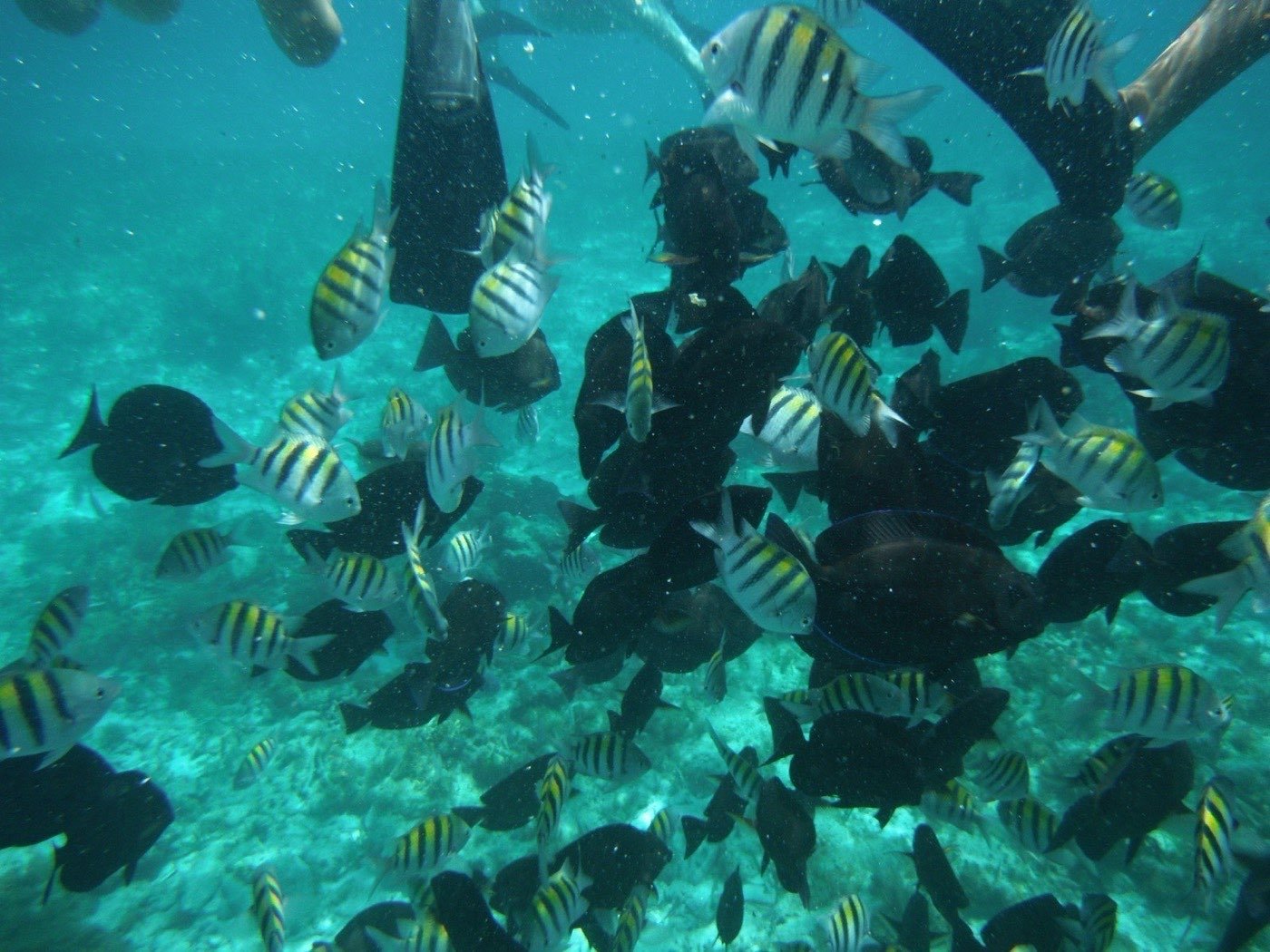
| 9:30 am | Sea-lion colony | Snorkel #1 (30–40 min) | Sea lions; calm water; the wow moment. |
| 10:15 am | Lover's Beach | Brief beach stop (10 min) | Photos, stretch, hydrate. |
| 10:45 am | Cruise to Chileno | 20-min boat ride along corridor | Whale spotting in winter season. |
| 11:05 am | Chileno Bay | Snorkel #2 (60 min) | The longest in-water session. |
| 12:15 pm | Chileno Bay / boat | Surface interval, snacks | Drink water, warm up if cold. |
| 1:00 pm | Beach restaurant | Lunch on the sand (60 min) | Fish, shrimp, ceviche, tacos. |
| 2:00 pm | Santa María Bay | Snorkel #3 (40–50 min) | Quieter than morning sites. |
| 3:00 pm | Boat return | Cruise back to marina | Whale spotting in winter; nap allowed. |
| 3:45 pm | Marina | Disembark, tips, photos | Most operators send photos via WhatsApp same day. |
| 4:00 pm | Van pickup | Transfer back to hotel | Arrive at hotel ~4:30 pm. |
Run the itinerary with operators who actually know how to read the wind. Book Los Cabos snorkeling →
What to bring (and what to leave at the hotel)
Pack on the boat
- Reef-safe sunscreen (mineral, zinc oxide / non-nano titanium dioxide) — mandatory inside the CONANP marine park.
- 1-litre reusable water bottle per person; refill at the marina before boarding.
- UPF-50 rash guard + swimsuit + board shorts. In Dec–Apr add a 3 mm shorty wetsuit.
- Microfiber towel (faster drying than cotton).
- Dry bag for phone, wallet, hotel key, sunglasses.
- GoPro / underwater camera with float strap. The sea-lion encounter is the moment to film.
- Reef-safe lip balm with SPF 30+. Lips burn quickly.
- Hat for surface intervals.
- Cash in small bills (USD or MXN) for tips: $10–20 USD per guide per group is the norm.
Leave at the hotel
- Large beach bags — most boats have limited dry storage.
- Excessive jewellery or watches — salt water and panga decks are unforgiving.
- Glass containers — banned on most boats; bring water in plastic/aluminium.
- Heavy electronics — laptop, DSLR (unless it's your livelihood and you have a dry case).
What kids should bring (and what parents should plan)
The Cabo snorkel day works well for kids aged 5+. Younger than that and the boat ride length (3 hours total at sea) tests their patience. Specifically:
- Lifejacket sized for the child. Operators provide adult-leaning sizes; if your kid is 4–7, bring or rent a kid-specific jacket.
- Rashguard + UPF-50 swim shirt + long-sleeve cover-up. Cabo sun is intense; wet kids burn within 15 minutes of sun exposure.
- Snacks they actually eat. The lunch on the beach is fine but unfamiliar; kids who don't like ceviche should have a granola bar / banana / sandwich backup.
- Anti-nausea preventives if the kid gets seasick. Ginger chews or a children's dose of meclizine. The Cabo run is mostly inshore and protected but the 20-minute corridor crossing can have swell.
- Distraction for the boat segments. Books, headphones, downloaded videos for the longer transitions.
One practical truth: the order of the itinerary works for kids too. Sea lions first thing in the morning hooks them on the day. Chileno Bay at 11 am with the protected sand entry lets them do a long water session without exhausting them. Lunch on the beach is a reset. Santa María at 2 pm is the wind-down. By 3:30 pm they'll be tired in a good way.
What lunch actually looks like
Beach lunch is one of the underrated parts of a Cabo snorkel day. Most operators arrange with one of the beach palapa restaurants — Chileno Bay has several, the south side of Santa María has more — and the meal is usually fresh fish or shrimp grilled to order, served with rice, beans, tortillas, salsa, and a fresh fruit juice. Some operators provide an open beer/margarita; we'd skip alcohol if you're going back in the water at 2 pm.
What to expect on the plate
- Pescado a la talla — whole grilled fish butterflied open with chile and butter.
- Camarones al ajillo — garlic shrimp.
- Ceviche — raw fish or shrimp cured in lime, with onion, cilantro, chile.
- Fish tacos (battered or grilled).
- Tropical fruit plate for kids — pineapple, mango, watermelon.
Dietary needs
Tell your operator in advance. Vegetarian and vegan options exist (vegetable tacos, rice/beans/guacamole, fresh fruit) but they're easier if pre-noted. Gluten-free is achievable (corn tortillas are gluten-free). Severe allergies need explicit advance flagging — most palapa kitchens are not built for cross-contamination control.
Variations on the standard day
Variation A — Family-friendly (less time on water)
For families with kids under 7 or older guests with mobility concerns: swap Santa María for an earlier return. Boat back to marina at 2 pm, drop guests at Médano Beach for the afternoon, hotel by 3 pm. Less aggressive itinerary, same wow moments in the morning.
Variation B — Photography-priority
Push everything 30 minutes earlier. Pickup 7:30 am, Arch at 8:30 am during golden hour, sea-lion colony at 9 am with directional morning light, longer time at each site. Pay $50–80 extra for a smaller boat (6 guests max) so you have water-time flexibility.
Variation C — Sea-lion focus
Double up on the sea-lion colony — do a 30-minute encounter at 9:30 am, then a second 30-minute encounter at 11:30 am after Pelican Rock. Skip Chileno Bay. Lunch on Lover's Beach (snack pack on the boat). Back to marina by 2 pm. This is the right variation for guests obsessed with the sea-lion experience.
Variation D — Cabo Pulmo upgrade (recommended for serious snorkelers)
Replace the cape itinerary with a full-day Cabo Pulmo trip. 6 am pickup, 2-hour drive, 9 am at Cabo Pulmo village, two-tank snorkel at El Cantil + sea-lion colony at Los Islotes, lunch in the village, 2 pm return drive, hotel by 5 pm. Long day, dramatically better reef. See our Cabo Pulmo guide for the deeper context.
What it costs and what you're paying for
2026 pricing for a small-group Cabo snorkel day with a quality operator:
- Shared boat (8–14 guests): $130–180 USD adult, $90–130 USD kids 6–12.
- Private panga (up to 6 guests): $650–950 USD flat, regardless of party size.
- Private small catamaran (up to 12 guests): $1,200–1,800 USD flat.
- Tip: $10–20 USD per guide; same for the boat captain. Tip both.
What's included in a properly priced trip: marina transfer, all gear (mask, snorkel, fins, lifejacket, wetsuit if needed), CONANP marine park entry fees, bilingual guide, light snacks and water, the beach lunch, and photos delivered post-trip. What's not included: alcohol (most operators don't include it before the snorkel sessions), tips, and any optional add-ons like a private photographer or a sunset cruise extension.
If you see a price under $80 USD per adult including lunch, that's a cattle boat. The math doesn't work honestly below that for a small-group operation.
Real-life logistics — drinks, dry storage, bathrooms, photos
The small stuff that nobody mentions in the brochures but absolutely affects whether your day feels luxurious or improvised:
Drinks on the boat
Most quality operators bring a cooler with bottled water, a couple of soft drinks, fresh fruit, and (for the return leg only) a small selection of Mexican beers or margaritas. The water and soft drinks are unlimited; the alcohol is rationed. The reason is straightforward — alcohol plus open water plus sun plus 28 °C heat is the recipe for dehydration and bad decision-making. Drink twice as much water as alcohol on the return leg and you'll thank yourself at dinner.
Dry storage
Pangas have a dry hatch under one of the seats or a covered locker at the bow. Catamarans have more storage and usually a small cabin. Either way, expect limited dry space: pack the essentials in a single dry bag per person and leave the rest at the hotel. Phones, wallets, passports, prescription glasses go in the dry bag at boarding; you don't open the bag until the return marina.
Bathrooms
Pangas do not have toilets. Catamarans usually have a marine head (basic toilet). At Chileno Bay, the beach has public restrooms with running water and showers. Santa María does not have onshore facilities, so plan accordingly — for women especially, this is worth knowing before the day. Lover's Beach has no restrooms; if you need a bathroom break, the panga returns to the marina (10 min round trip).
Photos and video
Quality operators include underwater photos and a short video edit, delivered via WhatsApp or Google Drive within 24 hours of the trip. The photographer is a separate person from the guide and usually a free-diver who shoots from below as you swim past. If you want a dedicated photographer (private session with directed poses), most operators offer it as an upgrade for $80–150 USD. The free included photos are usually good enough for social media; the upgrade is for travelers who want printable quality.
Sunset extension
If you're celebrating something — anniversary, honeymoon, birthday — most Cabo operators will extend the day with a sunset cruise from 5–7 pm. Same boat, same crew, light dinner, the Arch in golden hour, then dark cruising back to the marina. Pricing usually adds $80–150 USD per adult. We recommend it if the budget allows; the cape at sunset is a genuinely different experience from the cape at 9 am.
If your visit falls outside the standard window
The itinerary above assumes a normal-weather day in May–November. Two scenarios change it:
Winter (Dec–Apr) variation
Water is 21–24 °C; you wear a 3 mm shorty. The itinerary structure is the same but in-water sessions tend to shorten by 10–15 minutes as people get cold. You add humpback whale spotting at every boat transition (this is a serious bonus — full breaches and tail slaps are common in February). The cape can be choppier in late afternoon, so Santa María occasionally gets swapped for an earlier marina return. Visibility is generally better than summer.
Hurricane season (Jul–Sep) variation
Cabo's hurricane risk peaks Aug–Sep. On a clear day in those months the snorkel is excellent and the water is at its warmest (27–29 °C). But if a tropical storm is in the forecast within 48–72 hours, expect operators to cancel and reschedule. Reputable operators monitor the NOAA National Hurricane Center forecast and cross-check with the NOAA Ocean Service sea-state bulletins; they refund or rebook without charge if conditions are unsafe. Don't pressure an operator to run on a marginal day — the same captain who turns down your $1,500 charter today is the one you want operating tomorrow when conditions clear.
Frequently asked questions
Is a 3-site day too much in one day?
No — three sites is the sweet spot. We've experimented with 2-site days (too light, leaves guests wanting more) and 4-site days (too rushed, water time becomes 20-25 minutes per site instead of 40+). Three sites with a real lunch in the middle gives roughly 2 hours total in-water plus the boat-tour scenery of Land's End. Anything more is operator marketing.
Can I do this itinerary in winter?
Yes — and December–March is actually one of the best windows because you add humpback whale sightings on the boat transitions, and the visibility tends to be better than summer. The catch is water temperature: bring or rent a 3 mm shorty wetsuit for the in-water sessions. The two-piece Dec–Feb visit is the most popular among our European clients who want both the calm conditions and the whale spotting.
What if the wind kicks up early?
Good operators flex. If the thermal wind starts at 10:30 am instead of 11:30 am, the itinerary collapses Pelican Rock first, then jumps to Chileno (the most protected site) for the longest in-water session, and reschedules Santa María based on whether the cove is still calm. The signal that you have a bad operator is rigid itinerary execution despite changing conditions. Ask before booking: "If the wind comes early, how do you adjust?"
Can I add Cabo Pulmo to the same day?
No — Cabo Pulmo is a separate day. The drive is 2 hours each way and the snorkel there is itself a 4-hour commitment minimum. Most travellers who want both add a second day to the trip. We cover the logistics in our Cabo Pulmo guide and in our 3-day Los Cabos itinerary.
Do I need to book in advance?
For shared-boat days, 1–2 weeks ahead in low season, 3–4 weeks ahead in high season (Christmas, Spring Break, Easter, mid-July to mid-August). For private boat charters, book as soon as you have dates. Cabo's small-group operators get booked out, and the cheap last-minute options on the marina are universally the cattle boats. Don't leave it to the dock.
Want us to coordinate the whole day for your group?
Send us your dates, group size and special requests — we line up the boat, the lunch and the timing.