🔎 TL;DR
- This itinerary works for divers with PADI Open Water or above, any time of year (with seasonal notes). Advanced divers will go deeper at the same sites.
- Day 1: cape morning + afternoon off. Two dives at Pelican Rock + Land's End. Hotel by 1 pm.
- Day 2: Cabo Pulmo full-day. 6 am pickup, 2-hour drive each way, two dives at the East Cape no-take reserve. Back at hotel ~5 pm.
- Day 3: Sea Lion Colony + afternoon whale watch (in season Dec–Apr) or a relaxed cape dive + flight prep. Hotel by 2 pm.
- All-in cost (2026): $550–750 USD per diver for the three days, gear and transfers included. Add $100–200 USD for whale watch.
Why 3 days is the right amount of diving in Los Cabos
Most divers visit Los Cabos for a week or longer, but the practical diving content tops out at three days. After that you've seen the signature sites, the cape and Cabo Pulmo, and you're better off using extra days for surface activities, whale watching, or rest. Diving every day for a week in cold-ish Cortez water is exhausting; smart divers space their dive days and use rest days to absorb nitrogen and enjoy the rest of the destination.
The itinerary below is built around three principles:
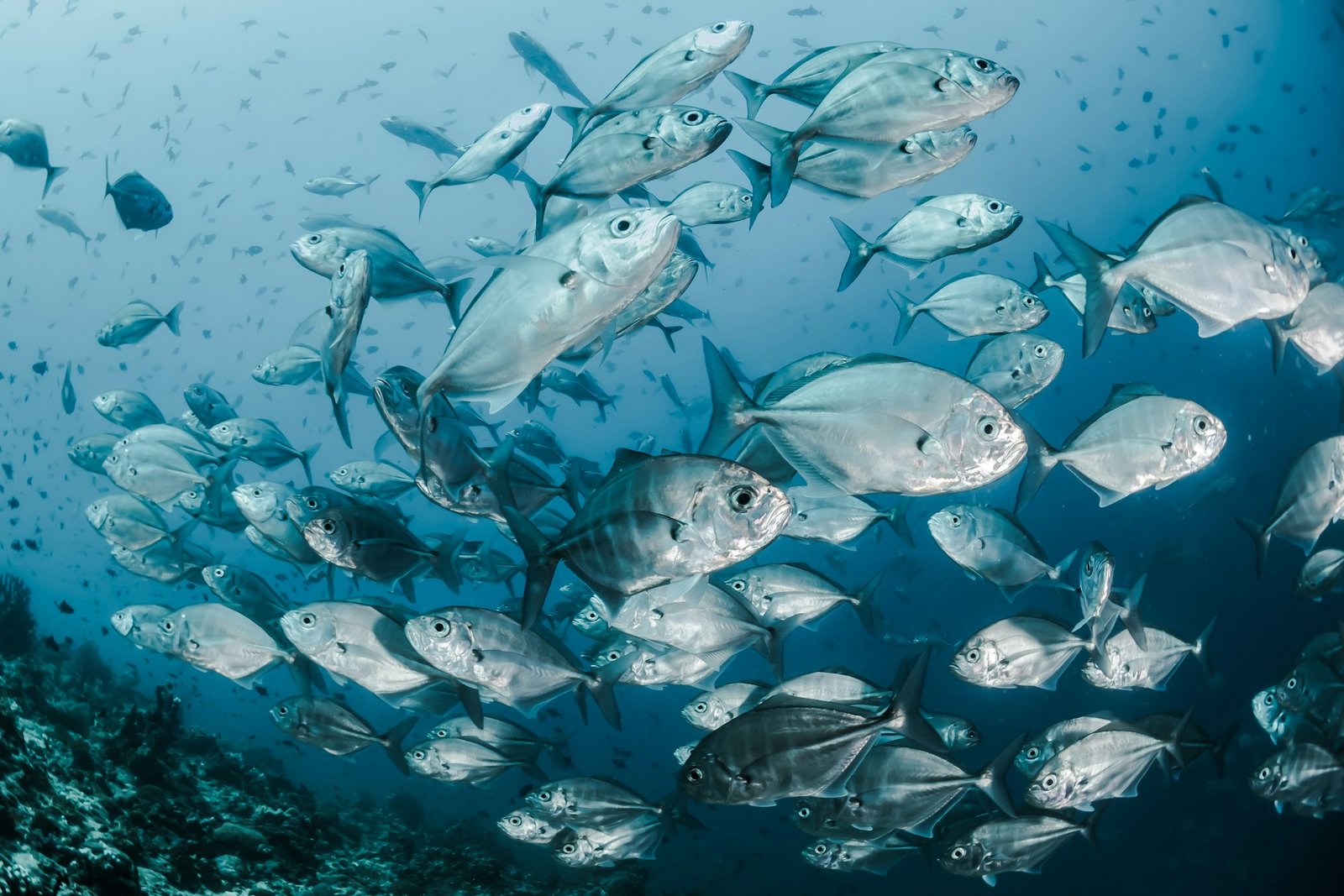
- Marquee animal events first. Cabo Pulmo's jacks and bull sharks (in season) are the trip-defining moments. Schedule them on day 2 so a weather cancellation can still be moved to day 4 or 5 of your stay.
- Easy day at the start. The cape is the right warm-up dive: short boat ride, gentle profiles, time to debug gear and equalization issues.
- Surface intervals respected. Long road trip after diving is fine the same day if you keep to recreational profiles; flying out is a different question — see day-3 notes.
This is also a template you can compress (2-day version: cape + Pulmo only) or expand (4-day version: add La Paz whale-shark snorkel in season). We've laid out the canonical 3-day version below.
Day 1 — Cape warm-up morning, free afternoon
The cape (Cabo San Lucas) dive sites are the right place to start: short boat ride, gentle conditions, no road trip, and you're back at the hotel with the afternoon free to recover from the flight in. Our full deep-dive on these sites lives in the Pelican Rock article.
| Time | Activity | Detail |
|---|---|---|
| 7:30 | Pickup from hotel | Most cape hotels are 5–15 min from the marina |
| 8:00 | Marina check-in, gear fitting | Wetsuit, BCD, regulator, computer fitted |
| 8:30 | Boat departure | 15-min ride to Pelican Rock |
| 8:45 | Briefing + entry | Site map, currents, buddy check |
| 9:00 | Dive 1: Pelican Rock | 45 min, 18–25 m, Sand Falls if active |
| 10:00 | Surface interval | Boat moves to Sea Lion Colony, snacks, water |
| 11:00 | Dive 2: Sea Lion Colony | 50 min, 8–15 m, sea lion interactions |
| 12:15 | Boat back to marina | Logbook, debrief |
| 13:00 | Hotel drop-off | Afternoon free |
Afternoon options (no diving, no flying)
- Pool / beach time at the hotel. Recommended after first dive day.
- Light walking around Marina Cabo San Lucas or San José del Cabo art district.
- Cabo Wabo or local cevicherias for early dinner.
- NOT recommended: alcohol heavy enough to dehydrate (impacts decompression tomorrow).
- NOT recommended: high-altitude activities (Sierra de la Laguna hiking 2,000 m+ is post-dive contraindicated).
Want this itinerary done end-to-end by our team? Book Los Cabos diving →
Day 2 — Cabo Pulmo, the long day worth doing
This is the big day. Cabo Pulmo is a 71 km² no-take marine reserve on the East Cape, UNESCO World Heritage-listed within the broader Gulf of California site, and one of the most documented reef recoveries on Earth — biomass up 460% since strict protection began in 1995 according to research published in PLOS ONE and validated by CONANP monitoring. Our complete guide is here.
The day is long. 12 hours from pickup to hotel drop-off is normal. The diving makes it worth it.
| Time | Activity | Detail |
|---|---|---|
| 6:00 | Hotel pickup | Van transfer, bilingual driver, coffee available |
| 6:00–8:30 | Drive to Cabo Pulmo village | 2.5 hours via Mex 1 + Mex 19 (some unpaved last section) |
| 8:30 | Village arrival, dive shop check-in | Gear inspection, park fee processed |
| 9:00 | Boat departure | 15–20 min panga ride to dive site |
| 9:30 | Dive 1: El Bajo or El Cantil | 50 min, 12–25 m, jack schools / bull sharks (in season) |
| 10:30 | Surface interval at village beach | 60 min, light snack, water |
| 11:30 | Dive 2: Sea Lion Colony (Los Islotes) or Morros | 50 min, 10–20 m |
| 12:30 | Boat back to village | Lunch at local restaurant (included) |
| 14:00 | Drive back to Cabo | 2.5 hours |
| 17:00 | Hotel drop-off | You will be tired. Dinner in hotel recommended. |
Important — flying after diving rules
If you fly out the next day, this day's two dives count against your 18-hour pre-flight no-dive interval recommended by DAN for multi-dive trips. If your flight is before 11 am on day 3, you have to skip day 3 diving. Plan accordingly.
Day 3 — sea lions + whale watch (in season) or relaxed cape
Day 3 has two versions depending on the season and your fitness from day 2.
Version A: December–April — Cape morning + humpback whale watch afternoon
| Time | Activity | Detail |
|---|---|---|
| 7:30 | Pickup, marina check-in | Lighter day, same operator usually |
| 9:00 | Single dive: Pelican Rock north or Land's End east face | 45 min, 15–20 m, easy profile |
| 10:30 | Back at marina | Lunch on the marina |
| 13:30 | Whale-watching boat departure | 2.5-hour tour, Pacific side |
| 16:00 | Back at marina | Done for the day |
Humpback whales (Megaptera novaeangliae) are in the Cabo region December through April for breeding and calving — see our month-by-month guide for the full marine-life rotation. Whale watching boats use spotter scopes; encounters happen on most trips during the season.
Version B: Year-round — Sea Lion focus + free afternoon
| Time | Activity | Detail |
|---|---|---|
| 8:30 | Pickup | Later start, easier day |
| 9:30 | Single dive: Sea Lion Colony | 60 min, 8–15 m, focus on photography / interactions |
| 11:00 | Back at marina | Done early |
| Afternoon | Free | Spa, beach, San José del Cabo, gear packing |
Either version respects the 18-hour pre-flight no-dive interval if your flight is the next morning. If your flight is the same day as day 3 diving, you must skip day-3 dives entirely. Discuss your flight time at booking.
Where to stay — hotel zones for divers
The cape's dive marina is in Cabo San Lucas marina. Hotel zones for diver convenience:
- Marina / downtown Cabo San Lucas — walking distance to the marina. Best for pure dive convenience. Higher noise, more party scene.
- Médano Beach — 10-min taxi to marina. Best beach + walking restaurants. Recommended for couples.
- Pacific corridor (Hotel Zone) — 15–25 min to marina. Quieter resorts, more amenities. Good for groups.
- San José del Cabo — 30 min to marina. Charming colonial town, art galleries. Adds drive time on dive days.
- Cabo Pulmo village — 2 hours from main marina. Worth it for a 2-night stay if you're doing 2+ days at Pulmo. Eco-cabins, simple food, no nightlife.
Our team can coordinate hotel + dive booking together — usually we can secure better rates than hotel-direct because we book regularly with the major properties.
Budget breakdown — what 3 days of diving actually costs
Numbers below are 2026 operator-published rates, all-in:
| Item | Day 1 cape | Day 2 Pulmo | Day 3 cape + whale |
|---|---|---|---|
| 2-tank dive | $150 | $240 | $120 (1-tank) |
| Gear rental (incl) | — | — | — |
| Transfer hotel-marina | $15 | included | $15 |
| Park fees | — | included (CONANP) | — |
| Lunch | own | included | own |
| Whale watch (optional) | — | — | $80 |
| Day total | $165 | $240 | $215 |
3-day total: $620 USD per diver. Add 15% tip across the trip ($90) = ~$710 USD all-in. This is real money but proportionate for what you get — the equivalent week of diving in Cozumel runs $400–500 with significantly less marine-life variety. See our cost comparison vs Cancún for the full picture.
What can go wrong, and how we handle it
Three-day dive trips have failure modes you should know about before booking:
- Weather cancellation on day 2 (Cabo Pulmo). If the road condition or sea state makes Pulmo unsafe, we move the day to a backup cape day with notification by 8 pm the night before. If your trip is 4+ days, we re-schedule Pulmo. If your trip is 3 days exactly, you get the cape backup and we credit the price difference.
- Sickness / equalization failure on day 1. If you can't equalize and have to abort, day 2 plans don't change — most equalization issues resolve in 24–48 hours.
- Hurricane window (Aug–Oct) can shut diving entirely for 2–4 days. NHC forecasts give us 5+ day warning; we proactively re-book whenever possible.
- Flight changes — if your flight changes and the 18-hour pre-flight interval doesn't work, we shift the dive sequence to keep you legal and refund the dive we can't safely run.
Frequently asked questions
Can I do this itinerary as a non-certified diver?
Not as written. Cabo Pulmo requires Open Water minimum. If you're not certified, you can do days 1 and 3 as Discovery Scuba (no certification, instructor 1-on-1, 12 m max) and skip day 2 — or you can get certified first and add the trip after. See our cert article. Most travellers who want to do Pulmo plan it after their cert is done.
Should I do Pulmo on day 1 or day 2?
Day 2. Day 1 is for cape warm-up — debug gear, equalization, comfort, gear fit. Going straight to a 12-hour Pulmo day on day 1 increases the failure rate (gear that doesn't fit, equalization problems, fatigue). Day 2 has the comfort buffer.
What if my flight leaves day 3 morning?
Skip day 3 diving. DAN recommends 18 hours from your last dive to flight altitude. Day 2 Pulmo ends ~3 pm; an 11 am day-3 flight is at 20 hours, just fine, but pre-noon flights mean no day-3 diving. Take a leisurely morning, pack, fly.
Can I add La Paz whale shark snorkel?
Yes — La Paz is 2 hours north and the whale shark season runs Oct–Apr. Best fit is as a day 4, with day 3 as a no-dive day (whale shark snorkel is surface-only, no decompression concern). We coordinate La Paz operators directly and bundle the transfer.
Will the marine life be different in summer vs winter?
Significantly. Summer (Jul–Oct) is warm water, mantas, marlin, hammerheads, but hurricane risk. Winter (Dec–Apr) is cooler water, bull sharks at Pulmo, humpback whales, gray whales, whale sharks in La Paz. The itinerary structure stays the same; what you see changes. Read our month-by-month guide.
Want us to execute this itinerary for you?
Tell us your week and certification level — we lock the dates, the operator, the transfers, the lunch, everything.