🔎 TL;DR
- Cabo San Lucas (the cape) is convenient diving: 20 minutes from any Cabo hotel, sea lions year-round, the Sand Falls, Open Water-friendly. Marine life density: good.
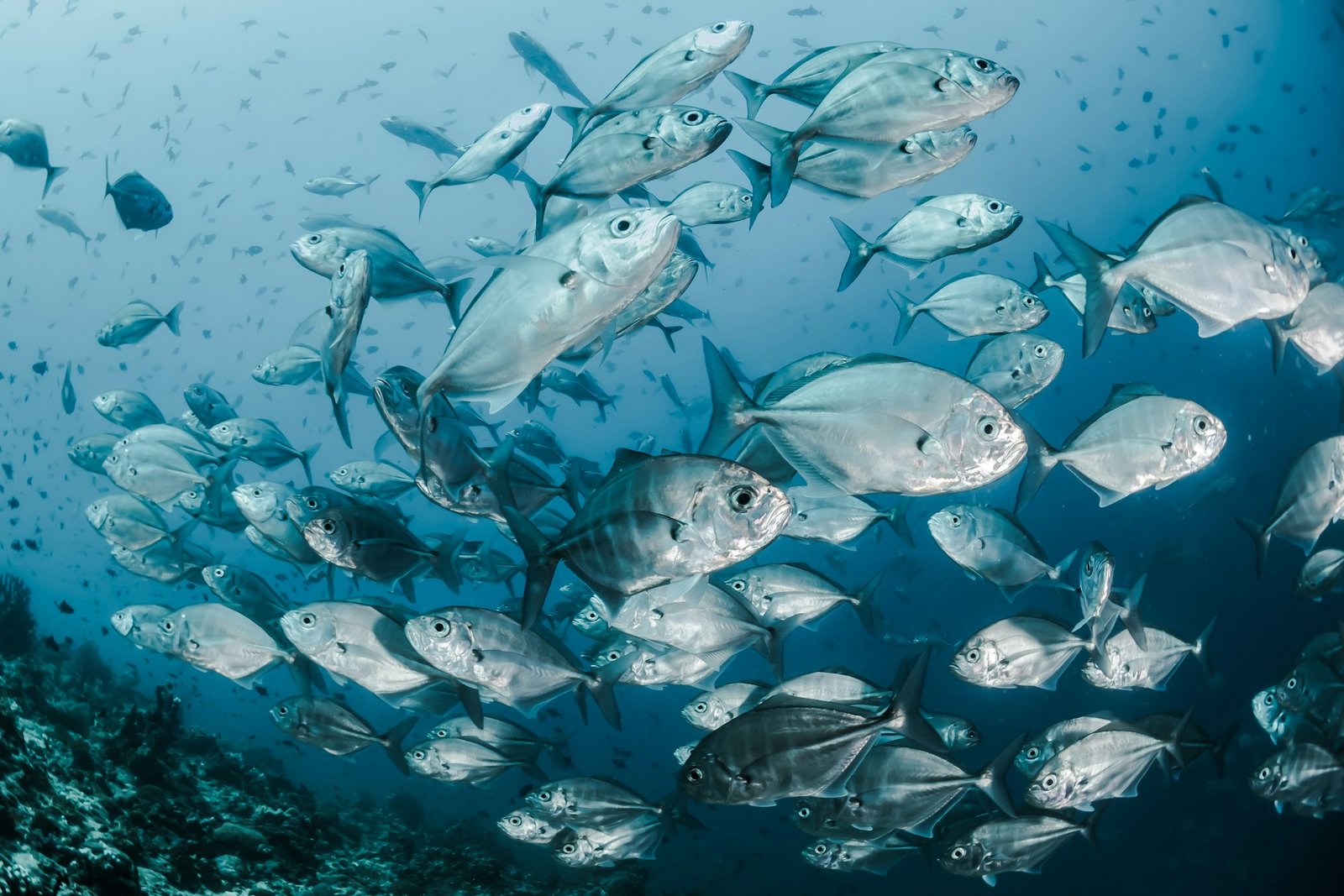
- Cabo Pulmo is a UNESCO-listed no-take marine reserve 2 hours north. Massive jack schools, bull sharks Nov–Mar, the most documented reef recovery on the planet (biomass up 460%). Marine life density: world-class.
- Cost difference per dive day: $130–180 USD for the cape, $200–280 USD for Cabo Pulmo (mostly the 4-hour round-trip transfer + park fees + smaller boat operations).
- Time difference: 4–5 hour total commitment for the cape, 10–12 hour day for Cabo Pulmo.
- If you have 2+ dive days, do both. If you only have 1 day and can handle a long day, choose Cabo Pulmo. If you have 1 day and want easy, choose the cape.
Two ecosystems, two different commitments
Most travellers who book a Los Cabos dive trip don't realise they're choosing between two genuinely different dive destinations, 110 km apart by road, with different marine-life profiles, different logistical realities, and different prices. The mistake is to assume "Los Cabos diving" is one product. It isn't.
The cape — meaning the cluster of sites at the tip of the peninsula off Cabo San Lucas — is a small but productive zone protected by the Cabo San Lucas Marine Park managed by CONANP. You can read the deep-dive guide on this zone in our Pelican Rock article. It is great recreational diving with a sea-lion colony as the headline act.
Cabo Pulmo is a different category of experience. It's a 71 km² no-take reserve on the East Cape, two hours away by road, where coral reef biomass has rebounded 460% since strict protection began in 1995 — documented in Nature, National Geographic, and the New York Times. The diving there is on the global short-list, full stop. Our full Cabo Pulmo Diving Guide covers the why and how.
This article does the side-by-side that the other two articles don't: which one should you, with your trip, actually book?
The full side-by-side
| Factor | Cabo San Lucas (cape) | Cabo Pulmo |
|---|---|---|
| Distance from Cabo hotels | 5–15 min to marina | 2 hours by road each way |
| Total day commitment | 4–5 hours | 10–12 hours |
| Cost (2-tank, all-in) | $130–180 USD | $200–280 USD |
| Minimum cert | Open Water | Open Water (Advanced recommended) |
| Boat size | Panga / dive boat (6–12 divers) | Small panga (4–6 divers) |
| Signature feature | Sea Lion Colony, Sand Falls | Jack schools, bull sharks (Nov–Mar) |
| Marine life density | Good | World-class |
| Best months | Aug–Nov (warm + viz) | Nov–Mar (sharks) / May–Aug (warm) |
| Coral health | Limited coral, rock/wall | Healthy hard coral reef |
| Crowding | Moderate | Low (permit-limited) |
| Protection level | National Marine Park | UNESCO + no-take park |
| Sea sickness risk | Low | Low (15 min boat ride) |
Want our take on the best mix for your trip? Book Los Cabos diving →
The case for the cape — when it's the right call
The cape (Cabo San Lucas) wins when convenience, time, or comfort matter more than maximising marine life. Specifically:
You only have a half-day to dive
This is the most common scenario. You're in Cabo for a non-dive trip (family, golf, wedding) and want to fit one dive day in without writing off the whole day. Cape diving is genuinely a half-day product: out the marina at 8 am, back at the hotel by 1 pm, pool by 1:30. Cabo Pulmo will take your whole day.
You're newly certified and nervous
The cape sites are protected from heavy swell, dive site depths are gentle, the boat ride is 15 minutes, and the operator can abort and get you back to the marina in 20 minutes if something goes wrong. Cabo Pulmo has all the same safety standards, but a 2-hour drive home with a 5 mm wetsuit still wet and an air conditioner blasting is a more taxing day for a nervous diver.
The sea lions are your goal
The cape's Sea Lion Colony is year-round and reliable. Cabo Pulmo has sea lions too — there's a colony at Los Islotes (further north) — but the cape's colony is the easier encounter.
You're prone to sea-sickness
15-minute panga ride to cape sites. Cabo Pulmo's boat ride is also short (15–20 min) once you get there — but the 2-hour winding road through the Sierra de la Laguna mountains to get to Cabo Pulmo is hard on motion-sensitive travellers.
You want to dive AND surface-activity in the same day
The cape lets you dive in the morning and still kitesurf, golf, ATV, or charter in the afternoon. Cabo Pulmo is a one-activity day.
The case for Cabo Pulmo — when it's worth the long day
Cabo Pulmo wins on marine life. Every honest assessment we've ever heard from divers who did both, on the same trip, ends with "Cabo Pulmo was the better diving". Here's why:
The recovery is real and rare
Cabo Pulmo is the most documented reef recovery on Earth. Researchers (Aburto-Oropeza et al., published in PLOS ONE, 2011) measured a 463% increase in total fish biomass over 10 years inside the park. Top predators increased 11-fold. CONANP confirmed continued recovery in subsequent surveys. UNESCO lists the wider Gulf of California (including Pulmo) as World Heritage. This isn't marketing — it's measured ecology.
The animal events
- Bull sharks Nov–Mar — large female bulls aggregate at El Cantil and El Vencedor walls. Pulmo is one of the only places in the world where you can dive with bull sharks without bait.
- Jack schools year-round — schools of 1,000+ Caranx caninus (big-eye jacks) and amberjacks dense enough to block out the sun.
- Sea lion colony — at Los Islotes within reach of the park's outer boundary.
- Manta rays — less reliable than in La Paz Bay, but possible Aug–Nov.
- Hammerheads — occasional, especially May–Aug at deeper sites.
The reef itself is alive
Most Caribbean reefs you'll dive on a Cancún or Cozumel trip have experienced significant coral bleaching events in 2023 and 2024. Cabo Pulmo's hard coral is structurally healthy — not bleached, not algae-overgrown, just intact reef. It's a visceral difference even non-marine-biologists notice in the first five minutes underwater.
Cost transparency — what you're actually paying for
A 2-tank cape day at $130–180 USD is straightforward: short boat ride, larger operator base, equipment in-house. A Cabo Pulmo day at $200–280 USD is more expensive for real reasons, not marketing reasons:
- 2-hour van transfer each way, included.
- CONANP park entrance fee, included (currently ~250 MXN per diver per day, paid to the park directly).
- Smaller boat operations — Pulmo operators run 4–6 diver groups, mandated by the park.
- Local guide premium — Pulmo guides are park-certified and limited in number.
- Lunch included — most operators feed you at the village.
If you see a Cabo Pulmo day quoted below $180 USD, ask what's missing. Usually it's the transfer (you drive yourself, two hours each way), or it's a non-licensed operator (which means no insurance and no park-permitted boat).
The honest recommendation by trip type
Bachelor/bachelorette weekend, 3 days total
Cape only. You don't have a full day to lose to a Pulmo round-trip. Do the cape on day 2 (the recovery day), pair with the Sea Lion Colony.
Couple's week, mixed activities
Both. Cape on day 2 of the trip, Cabo Pulmo on day 4. Day 3 between them for whale watching (in season) or rest. We map this out in our 3-day dive itinerary.
Dedicated dive trip, 5+ days
Cabo Pulmo dominates. Spend two days at Pulmo (overnight in the village if possible), one day at the cape, one day La Paz for whale shark snorkel (in season). The cape becomes a warm-up dive rather than the main event.
Family with mixed swimming abilities
Cape. Cabo Pulmo's long road trip is rough on kids, and the family-friendly snorkel option is easier at cape snorkel sites.
First-time diver who just got certified
Cape first to confirm comfort, then Cabo Pulmo if you have a second day. Pulmo isn't dangerous for Open Water divers, but it's a big day to spend on someone who might decide diving isn't for them after the first hour.
What about doing neither — Cabo isn't your destination?
Fair question. If you're choosing between Los Cabos and Cancún for a dive-focused trip, that's a different comparison entirely — different ecosystems, different costs, different vibes. We wrote a separate piece on that: Los Cabos vs Cancún — Which Trip. Short version: Los Cabos wins on pelagic encounters and marine life density (mostly because of Cabo Pulmo); Cancún wins on cenote diving, consistent warm-water conditions, and accessibility. Neither is "better" — they're complementary trips.
Frequently asked questions
Can I do both Cabo Pulmo and the cape on the same day?
Technically yes, in practice no. Cabo Pulmo by itself is a 10–12 hour day with the drive. Adding the cape on top means a 6 am pickup, two morning dives at Pulmo, drive back, afternoon dive at the cape, hotel by 6 pm — a 12-hour dive day. We do not recommend it for safety reasons (fatigue, surface-interval discipline). Two separate days is much better.
Which one has better visibility?
Cabo Pulmo, by 3–5 m most of the year. The cape is more exposed to wind and Pacific swell, which affects surface and subsurface viz. Pulmo sits inside a sheltered bay on the East Cape with cleaner water year-round.
Is Cabo Pulmo really worth the drive?
For divers, yes — confidently. The recovery, the jack schools, the bull-shark season are not exaggerated. For travel companions who don't dive, the village is small with limited services — they'll have a long day. Either build the trip around the diver or have non-diving companions skip Pulmo and join you at the cape.
What if I get hurricane weather?
Cape diving can usually run in tropical weather if the storm is south or east; Pulmo gets shut down faster because of the road conditions on the way there. In hurricane season (Aug–Oct), the cape is the safer booking. See our month-by-month guide.
Are the prices listed accurate for 2026?
Ranges shown are operator-published rates for 2026, all-in (gear, tanks, lunch where applicable, park fees where applicable). Prices have crept up 10–15% since 2023 due to fuel costs and CONANP fee revisions. We confirm exact rates at booking — and we don't mark up operator pricing.
Still unsure which one fits your trip?
Tell us your dates, group size and what you want to see. We tell you which mix actually works.