🔎 TL;DR
- Rent in Progreso for day tours, single trips, and any guided mangrove paddle — operators provide CONANP-compliant kayaks, PFDs and dry bags.
- Bring your own only for multi-day expeditions, expedition-spec touring boats, or specific photography rigs. Customs duty under SAT rules can be steep for new boats.
- Local rental fleet is mostly sit-on-top 10–12 ft polyethylene singles + tandems — durable, hot, very stable. Sit-in touring boats are rare to non-existent in rental pools.
- Tropical-specific gear (UPF 50+ shirts, polarised lenses, biodegradable repellent, neoprene-free paddling shoes) is non-negotiable from May to October.
- For protected biosphere channels (Celestún, Río Lagartos, Chuburná), licensed local guides are mandatory — bringing your own kayak does not bypass the rule.
The Progreso rental scene — what's actually on the racks
Walk down the Progreso malecón or step into a Chelem operator's yard and the kayak fleet is overwhelmingly composed of sit-on-top polyethylene singles and tandems, typically 10–12 ft (3–3.6 m). These boats are chosen by operators for three practical reasons: they're nearly indestructible against limestone shorelines, they self-bail in the warm Gulf chop, and they require zero rescue training from first-time paddlers — if you flip, you climb back on. This is the Yucatán equivalent of a beach cruiser bicycle: not exciting, but right for the use case.
You will rarely, if ever, find a true sit-in touring kayak in a Progreso rental pool. Sit-ins (with spray skirts, fitted cockpits, rudders or skegs) are expedition gear — they live in expeditioners' garages, not commercial fleets. If you've paddled a Wilderness Systems Tempest or a Valley Etain on cold Atlantic water, manage your expectations: the Yucatán plastic boats track worse, weigh more, and turn slower. They also handle 33 °C air and mangrove root collisions without complaint.
For guided wildlife tours — Celestún flamingos, Chuburná tunnels, night bioluminescence — the operator brings the boats. You don't need (and frankly shouldn't try) to bring your own. Reserved boats are pre-staged at the launch ramp, briefed for the day's tide window, and matched to the guide's safety plan under CONANP management rules.
Sit-on-top vs sit-in — which fits Yucatán water
The Gulf coast of Yucatán is shallow (often under 2 m for kilometres offshore), warm year-round (24–31 °C), and seasonally choppy. Sit-on-tops dominate for good reason. Here's the honest comparison:
| Hull type | Best for in Yucatán | Tracking | Self-rescue | Heat comfort | Verdict |
|---|---|---|---|---|---|
| Sit-on-top single 10–12 ft | Day tours, mangrove channels, learning | Moderate | Easy — re-mount in open water | Hot legs (sun on thighs) | Best rental choice |
| Sit-on-top tandem 12–14 ft | Couples, family + kid, photography rig | Better than single | Moderate | Hot | Good if paddlers communicate |
| Sit-in recreational 10 ft | Calm lagoons only | Moderate | Hard — needs paddle-float | Cooler legs | Niche; rare to rent |
| Sit-in touring 14–17 ft | Multi-day coast expeditions | Excellent | Skill-dependent | Cooler | Bring your own |
| Inflatable / drop-stitch | Travellers without checked-bag space | Poor | Variable | Hot | Acceptable for calm water |
For 95% of Progreso visitors paddling 2–4 hours on guided water, the sit-on-top single is the right answer. If you are planning a 30+ km coast expedition (Article 5 in this series), the calculus changes and you genuinely benefit from a sit-in touring kayak with hatches and bulkheads.
Single vs tandem — the relationship question
Tandems are popular with couples and parents with young kids, and the rental price is usually only ~30% higher than a single. They track straighter in chop and handle a kid passenger up front with no fuss. The downside is well known to anyone who has paddled a tandem with a partner: paddling cadence has to sync, or you whack each other's paddles every stroke.
For wildlife paddling — Celestún flamingos, Chuburná tunnels — a single is more agile and lets you set your own pace, which matters when a flock takes flight or a heron stalks just off your bow. For sunset cruises with a partner who isn't a confident paddler, a tandem is friendlier; the stronger paddler can do most of the work from the rear seat.
Kids under 8 paddle in the front of a tandem with an adult behind. Most operators won't put under-5s in a kayak at all — they take young children on charter or pontoon boats instead. For families, check the operator's age policy in advance.
When bringing your own kayak makes sense
If you are flying in from the US or Canada for a 3-day kayak holiday, do not bring a boat. The economics are wrong. Airline oversize fees ($200–400 per leg), the risk of hull damage in cargo, and the time spent at the airline counter eat any savings versus renting locally for $25–40 USD per day.
Bringing your own boat starts to make sense in three scenarios:
- Multi-day coast expedition — see our 5-day coast and lagoon plan. Sea kayaks with bulkheads, deck rigging, and skegs are not on the local rental rack. If you are doing 100+ km over 5 days with camping, you need expedition gear.
- Folding or inflatable touring kayaks — Oru, Pakboats, and high-end drop-stitch boats (Sea Eagle Razorlite, Itiwit X500) pack into a checked bag, paddle close to hard-shell touring performance, and avoid airline oversize fees. This is the realistic "bring your own" answer for serious paddlers.
- Photography or scientific work — if you have a custom rig (camera arms, hydrophone, GoPro masts) built into a personal boat, replicating that on a rental is impractical.
For everyone else: rent. Use the money you saved on equipment to hire a better guide.
Skip the airline cargo hassle. Book a Progreso kayak tour →
Tropical-specific gear you absolutely need
What separates a comfortable Yucatán paddle from a sunburnt, dehydrated, mosquito-bitten one is a small kit of tropical-specific gear. Most rental operators will provide PFDs and paddle but not your personal protection. Bring the following.
| Item | Why it matters in Yucatán | Notes |
|---|---|---|
| UPF 50+ long-sleeve shirt | UV index 11+ from Mar–Oct; sunscreen alone is insufficient | White or light blue runs cooler |
| Wide-brim hat with chin strap | Sea-wind blows hats off without a strap | Bucket or "Tilley" style preferred |
| Polarised sunglasses with retainer | Cuts surface glare to spot stingrays, rays, fish below | Brown lens reads water best |
| Reef-safe SPF 50 mineral sunscreen | Mexican protected areas require non-oxybenzone | Zinc-based; reapply every 90 min on water |
| Biodegradable repellent (DEET-free for mangrove) | CONANP zones prohibit DEET in mangrove channels | Picaridin or oil-of-lemon-eucalyptus accepted |
| Paddling shoes (closed-toe water shoes) | Limestone shoreline and oyster shell cut bare feet | Avoid flip-flops; they wash off |
| 10–20 L dry bag | Phone, wallet, dry clothes, snacks | One per paddler; small dry pouch for phone too |
| 2 L water minimum per paddler | 3-4 h paddle in 32 °C heat dehydrates fast | Insulated bottle keeps water cool 2–3 h |
| Electrolytes (Suero Vida Oral or sachets) | Heat illness onset before you feel thirsty | Pharmacy item; cheap and effective |
Sun and mosquitos are the two underestimated dangers. Read the NOAA tropical heat brief if you've only ever paddled in temperate water — the energy cost of paddling 3 hours in a humid 32 °C environment is significantly higher than in a temperate climate, and dehydration creeps up faster than expected. American Canoe Association safety briefings cover the basics — see the ACA safety education portal.
Rental rates and what's included
Honest pricing as of 2026, before you walk into any negotiation:
- Self-guided single kayak hourly: ~150–200 MXN/hour (open coast, flat lagoon, no guide).
- Self-guided tandem hourly: ~250–320 MXN/hour.
- Half-day self-guided (4 h): ~600–800 MXN single, ~900–1200 MXN tandem.
- Guided mangrove tour (Chuburná, 2–3 h): ~750–1100 MXN per person including kayak, guide, PFD, dry bag.
- Guided Celestún flamingo tour (3–4 h, includes 1.5 h drive each way): ~1400–1800 MXN per person.
- Night bioluminescence kayak (when active): ~1200–1600 MXN per person, conditional booking.
What's typically included: kayak, paddle, Coast Guard-approved PFD (chaleco salvavidas), basic dry bag. What's usually not included: water, sunscreen, repellent, snacks, photos. Tip the guide separately — 10–15% is standard.
Importing your own kayak — the customs reality
If you decide a folding or inflatable kayak is right for your trip, you can fly it in as checked luggage. Most folding boats (Oru, Pakboats) and inflatable touring kayaks ship at 18–22 kg in a single bag and fly inside standard checked-baggage allowances. Mexico's customs (SAT) generally treats personal sports equipment as accompanied baggage — declare it as such, expect the tourist allowance to cover items used personally during your trip.
Hard-shell touring kayaks are a different conversation. Airlines treat them as oversized cargo ($150–400 per leg), and at the Mexican border they may attract a tarifa de equipaje no acompañado. If you are driving a vehicle in with a kayak strapped on top via the Belize border or the US southern border, you can usually pass with personal-use justification, but plan a slow border crossing and have documentation ready.
For multi-day expeditions launching from Yucatán, the most practical strategy used by serious paddlers is: fly in a folding boat, supplement with locally rented gear (paddle, PFD, dry bags) and hire a local guide for the protected-area sections. This combines your familiar boat with on-the-ground compliance.
Frequently asked questions
Are PFDs (life jackets) included in rental?
Yes — every legitimate Progreso operator includes a Coast Guard or Mexican-equivalent approved PFD with the kayak. If an operator suggests paddling without one, walk away. ACA safety standards apply globally.
Can I rent and paddle unguided in Celestún or Chuburná?
No. Both are CONANP-managed protected areas and require licensed guides inside the mangrove channels and flamingo zones. You can paddle open estuary water unguided in some sectors, but the photogenic parts need a licensed guide. See CONANP management plans.
Is there anywhere in Progreso that rents true touring sit-in kayaks?
Realistically, no. Operators stock sit-on-tops because they suit 99% of demand. If you need a touring kayak for an expedition, bring a folding boat or coordinate directly with an operator weeks in advance — sometimes private guides can source one.
What about SUP versus kayak for flamingos?
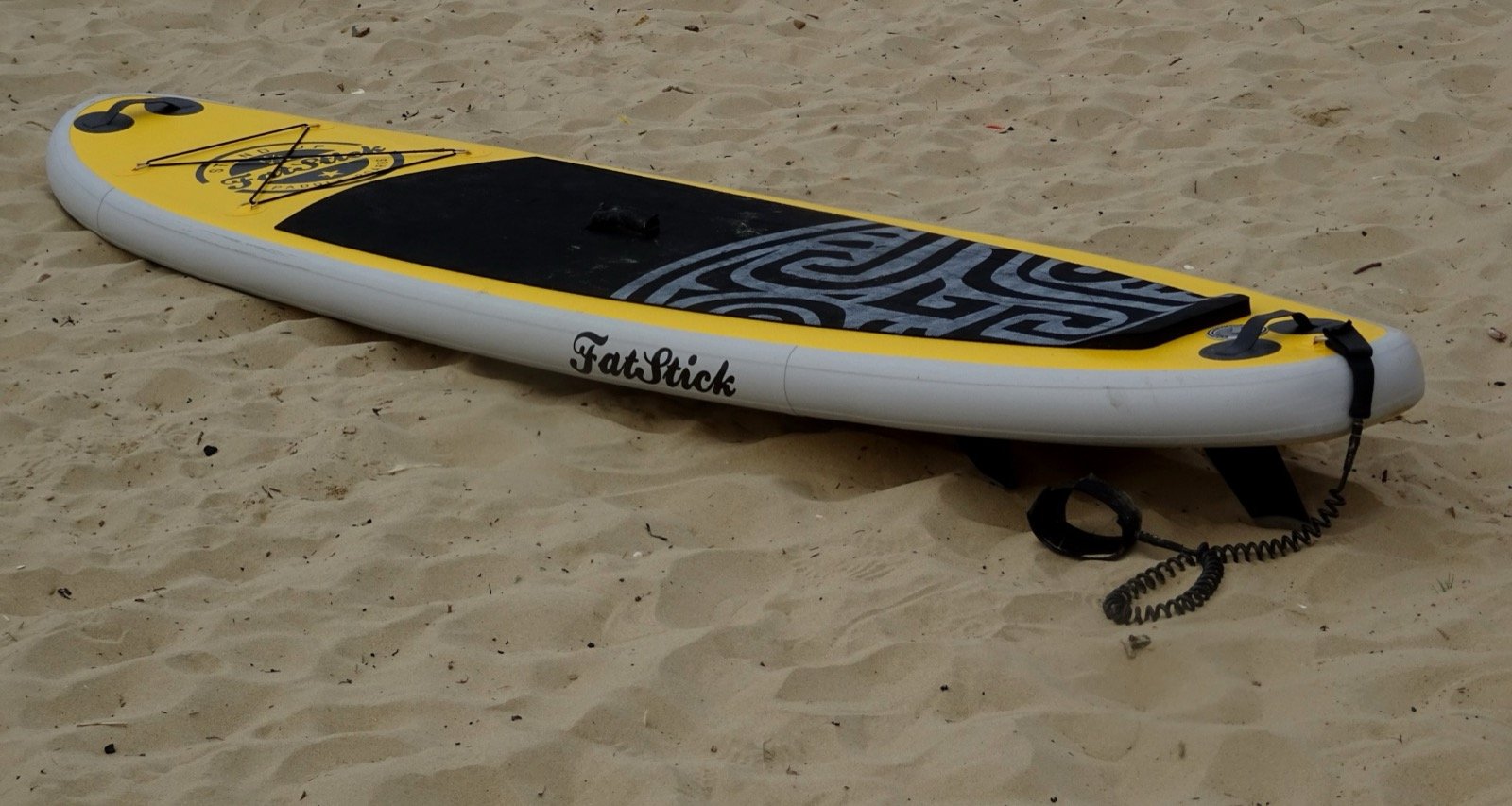
Kayak wins for distance, stability and birding. SUP wins for shallow shore exploration and standing-eye view. See our SUP vs kayak comparison.
Is bringing my own inflatable kayak realistic?
Yes for high-quality drop-stitch touring inflatables (Sea Eagle Razorlite, Itiwit X500, Aquaglide). No for pool-toy inflatables — they will not handle Gulf chop or mangrove root contact. Bring a real boat or rent.
Tell us what you have
Folding boat? Hard shell? Renting full kit? — we tailor the recommendation.