🔎 TL;DR
- Cenote SUP is a regulated activity, not a casual paddle. The Yucatán Peninsula's freshwater systems are CONANP-protected, locally co-managed by ejido cooperatives, and run on a fixed rule set that does not bend for tourists.
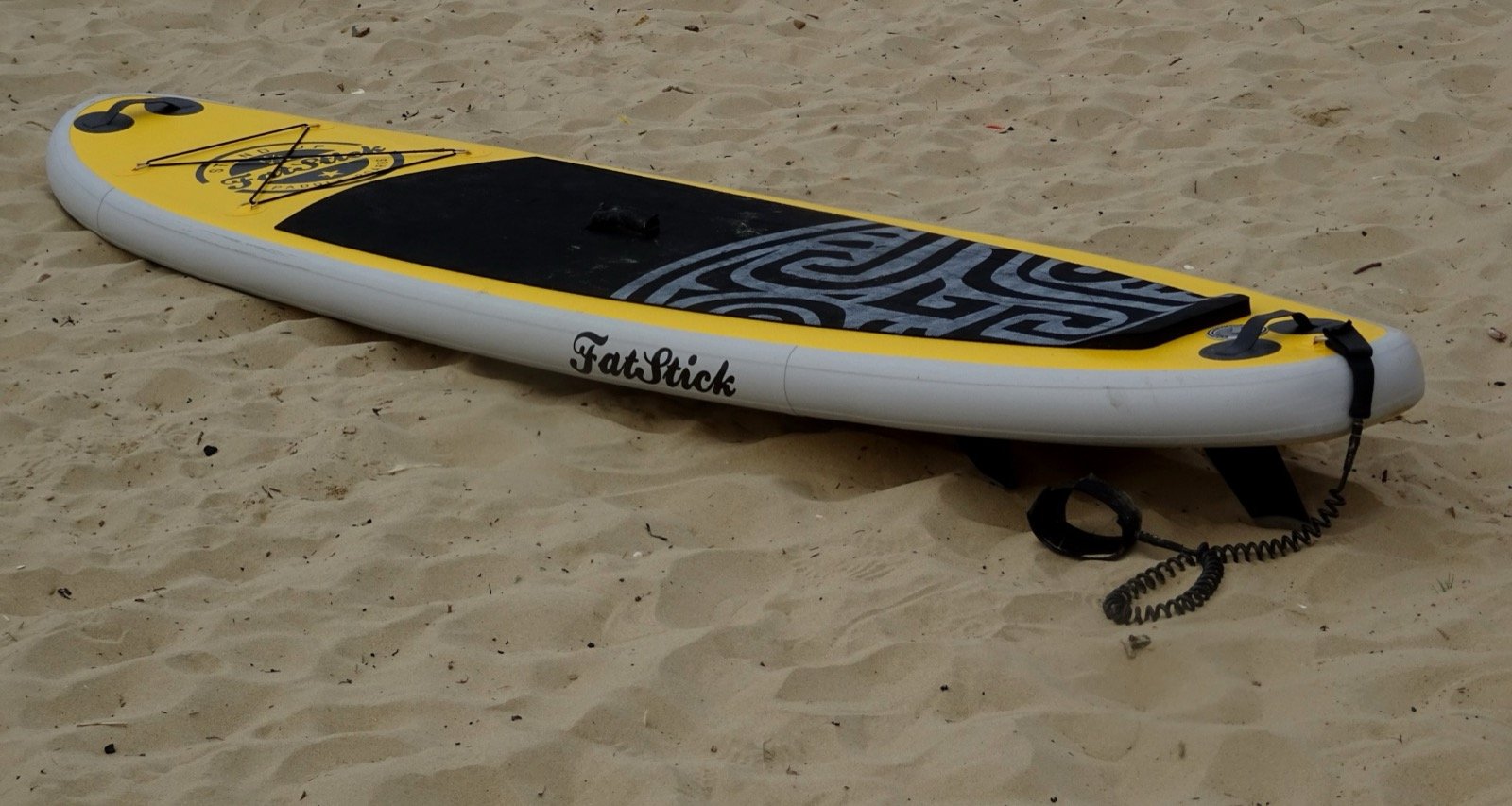
- No fins on the SUP board. A bare fin scrapes limestone, the silt cloud takes hours to settle, and the visibility for every other paddler behind you is destroyed.
- PFD vest mandatory, on the body, properly buckled. Not a foam noodle, not draped on the deck. Cenote rangers and ejido staff inspect.
- Biodegradable sunscreen only, ideally applied 30 minutes before launch and rinsed before entering the water. Mineral non-nano zinc passes; chemical oxybenzone/octinoxate is refused at the gate.
- No jumping from the board, no diving, no flips. Cenote bottoms hide limestone shelves; even shallow jumps have caused spinal injuries documented in the Tulum hospital network.
- No cavern entry on a SUP. Open-sky cenotes only. Cavern and cave systems require certified guides and dedicated swim/dive equipment per SEMARNAT and PADI cave-diving frameworks.
- Enforcement: CONANP, SEMARNAT, local ejido cooperatives. Habitat baselines: UNESCO World Heritage and IUCN Red List. Safety guidance: NOAA Ocean Service and American Canoe Association.
Why a cenote is not a swimming pool you can paddle
To the first-time visitor, an open-sky cenote in the Yucatán looks like a freshwater pool with palm trees overhead — pleasantly shaded, knee to chest deep in places, clear blue water, no current. The intuition that follows is "I can do anything I want here." That intuition is wrong, and the reason is geological. A cenote is the surface entry to a freshwater aquifer that runs through Cretaceous-era limestone — the Yucatán has the largest underground river network of its kind on the planet, and the surface pool you see is the visible 1 percent of a system that extends underground for kilometres. The water you paddle on is the same water that flows under the entire peninsula, and what you do at the surface affects the whole system. Sunscreen chemicals, sediment kicked up by a fin, a piece of plastic that floats out of a backpack — all of it travels.
The legal framework around cenotes reflects this. The federal environmental ministry SEMARNAT regulates the water bodies; the protected-area service CONANP regulates the buffer zones; and most individual cenotes are operated under permission from the local ejido — the communal land-tenure system that descended from the Mexican agrarian reform of the 1920s. The ejido is the boss on the ground. A SUP rental might be issued by a private operator but the gate fees, the rules and the enforcement come from the cooperative. We have seen well-meaning paddlers be turned away at the gate for the wrong sunscreen brand, the wrong vest, or no booking. Plan accordingly.
This article documents the operating rule set we follow at every cenote SUP session we run. It is not exhaustive — local rules vary cenote by cenote — but it is the baseline. If you are paddling in the Riviera Maya for any of the cenote launches (Casa Cenote, Yal-ku, Cenote Azul, Carwash, El Eden) the rules below apply with very minor variations. We have walked through the broader Riviera SUP geography in our Riviera SUP routes article; this is the cenote-specific complement.
Rule 1 — No fins on the board, no exceptions
Standard SUP boards ship with a centre fin and sometimes two side fins for tracking in open water. In a cenote, you remove them all. The reason is mechanical: cenote bottoms are limestone outcrops with frequent shelves rising to within 20 cm of the surface. A bare fin scrapes the shelf, and the scrape produces three problems. First, the limestone surface is gouged — these formations took thousands of years to develop, and a single fin pass leaves a visible scar. Second, the scrape lifts a sediment cloud that takes 30 minutes to two hours to settle, ruining visibility for every paddler behind you. Third, the fin itself snaps off in shallow strikes, leaving plastic debris in a system that is supposed to be pristine.
Most cenote SUP rentals come with the fins already removed and a note in the rental contract that re-installing them voids the rental. If you bring your own board, the fins go in your backpack at the gate. If a ranger spots fins on your board you will be asked to leave, no refund. The replacement for fin tracking is paddle technique — short, vertical paddle strokes close to the rail, and a slower turning radius. After 10 minutes most paddlers adapt without thinking about it.
Foil boards are not allowed in any cenote we know of. The foil mast extends 60-80 cm below the board and would impact the limestone within metres of launch.
Rule 2 — PFD vest mandatory, on the body, buckled
The personal flotation device is non-negotiable in cenotes regardless of swim ability, regardless of depth, regardless of age. The Mexican federal regulation under SEMARNAT and the operational rules of every cenote we work with require a Type III PFD vest worn correctly: on the body, both shoulder straps in place, both side buckles fastened, snug enough that two fingers fit between fabric and chest. A PFD draped over the deck, hung over one shoulder, or worn unbuckled does not count.
The reason cenotes are stricter than open ocean about PFDs is the geometry. A cenote pool may be 1 m deep at the launch edge and 30 m deep ten metres further in, with the transition happening over a vertical shelf you cannot see. A paddler who falls off the board near the shelf without a PFD has two seconds to react. With a PFD, they pop back up immediately and have time to get to the board. The American Canoe Association safety standards reference for SUP — see americancanoe.org — recommend a Type III for any non-pool environment; cenotes meet that bar with margin.
If your rental shop offers a "foam noodle" or a swim ring instead of a Type III vest, it is the wrong shop. Walk out. Real cenote operations carry coast-guard-approved vests in adult and child sizes and replace them every season.
Rule 3 — Biodegradable sunscreen only
Cenote water flows underground through the entire peninsula aquifer. Chemical sunscreens — the standard supermarket brands with oxybenzone, octinoxate, octocrylene and homosalate as active ingredients — are documented endocrine disruptors in freshwater systems and have been measured in concentrations sufficient to harm coral and freshwater microbiota. The CONANP cenote framework prohibits them. The mineral alternative — non-nano zinc oxide and titanium dioxide — passes the rule.
The practical version of the rule is this. Apply your sunscreen 30 minutes before you arrive at the cenote. Walk to the outdoor rinse shower at the cenote gate (every regulated cenote has one). Rinse your skin thoroughly for two minutes. The mineral particles that have already bonded to your skin remain bonded; the surface excess rinses off. Then you enter the cenote. If you absolutely need to reapply during the session, do it on the dry deck of the cenote, away from the water, and rinse again before re-entering.
The rule has bite. Cenote gate attendants will inspect your sunscreen bottle. We have seen branded "reef-safe" products refused because the back-label fine print listed octocrylene as a stabiliser. The simple test: if the bottle says only "zinc oxide" and "titanium dioxide" as active sunscreen ingredients, you are fine. Anything else gets a second look.
Want a guided cenote SUP day arranged with the right gear and the right cenote? Book Riviera Maya SUP →
Rule 4 — No jumping from the board, no diving, no flips
The instinct to jump off a SUP into clear blue water is very strong. In cenote conditions, the consequences are severe. Cenote bottoms hide limestone shelves and stalagmite formations that may rise to within 30 cm of the surface in spots that look invitingly deep. A casual jump from a paddle board lands the jumper feet-first at 1-2 m/s; an unseen shelf at that depth produces bone fractures and spinal injuries. The Tulum-area hospital network documents cenote jump injuries every season. CONANP rules and ejido site rules categorically prohibit jumping, diving, flipping or any kind of board-launched water entry.
The exception is in designated jump zones that some cenotes operate — a marked platform at a known depth with rangers on duty. These exist at a handful of cenotes (Cenote Suytun, Cenote Ik Kil) and operate on a strict "one at a time, eyes on bottom, no SUP involved" basis. SUP is not the platform.
The same rule applies to entry from the side of the board. Sit, swing your legs over, and lower yourself in feet first while holding the rail. Watch where your feet land. If the visibility is reduced and you cannot see the bottom, stay on the board until you reach a known shallow.
Rule 5 — No cavern or cave entry on a SUP
The cenote you SUP on is an "open-sky" pool — a vertical shaft or sinkhole open to the sky. The horizontal cave systems that connect cenotes are a different category entirely. A cavern (defined in cave-diving terms as the area within 60 m of an entrance with daylight visible) and a cave (no daylight) are off-limits to any SUP, swim or freedive activity unless the operator is a certified cave-diving guide running an explicit dive program. The water quality of the cave is fragile, the navigation requires fitted equipment and line, and the rescue logistics are surgical.
The practical version: at any cenote with both an open-sky pool and a cave entrance — Casa Cenote, Cenote Azul, Carwash — there will be a buoy line or rope across the cave mouth. You stay on the open-sky side. The line is not a suggestion. CONANP, SEMARNAT and the ejido authorities cite and fine paddlers who cross it. We cover the cave-diving side as a separate certification path in our other diving guides; cenote SUP and cenote cave-dive are different sports.
Rule 6 — Stay out of mangrove and stromatolite zones
Several Riviera cenote launches — Casa Cenote especially, but also the brackish lagoons like Yal-ku — sit at the interface where freshwater meets seawater. These transition zones support mangrove root systems (red mangrove, Rhizophora mangle) and at Bacalar host living freshwater stromatolites — the oldest known biological structures, dating to evolutionary windows of 3.5 billion years per the geological record. Both habitats are extremely sensitive to physical contact. Paddling over shallow mangrove roots damages them at the surface and at the seafloor; paddling over stromatolites scrapes off the living surface layer and kills the formation.
The rule is simple: stay in marked channels. Most regulated launches have buoy lines defining the paddling corridor. If a section of water has no marker, do not paddle there unless your guide confirms it is open. At Casa Cenote the marked channel runs roughly down the centre of the mangrove tunnel; the side branches are off-limits. At Bacalar the stromatolite zones are roped off with bright white buoys; the rest of the lagoon is open. Both habitats are listed in the IUCN ecological assessment frameworks and protected under the broader UNESCO Sian Ka'an heritage designation.
Cenote-by-cenote — the specific rules at each major SUP launch
Local rules vary slightly. Below is the operational summary we keep updated for the cenotes where SUP is permitted.
| Cenote | SUP allowed? | PFD | Guide required? | Special restriction |
|---|---|---|---|---|
| Casa Cenote (Cenote Manatí) | Yes | Mandatory | Yes (ejido rule) | Mangrove channel only, no cave entry |
| Yal-ku lagoon (Akumal) | Yes (limited) | Mandatory | Yes | Snorkel concession overlap; SUP off-peak only |
| Cenote Azul (Bacalar area) | Yes | Mandatory | Recommended | Deep open-sky pool, no jumping |
| Carwash (Cenote Aktun-Ha) | Limited | Mandatory | Yes | Crocodile presence, no shore swim |
| El Eden (Cenote Ponderosa) | No | n/a | n/a | Swim and dive only, SUP prohibited |
| Bacalar lagoon | Yes (large body) | Mandatory | Recommended | Stromatolite zones roped off |
Rules verified against the CONANP regional framework, SEMARNAT water-body classifications, and operational signage at each site. Allow for week-by-week variation; the ejido authority is final.
What to do when a rule is enforced at the gate
Twice in a season we hear from paddlers who show up at a cenote gate, get refused, and assume the rule is arbitrary. It is not. The refusal is almost always one of four causes: wrong sunscreen, no PFD on the body, no booking when one is required, or trying to bring fins on the board. The remedy in three of those four is simple — buy mineral sunscreen at the gate, put on the rental vest, walk to the rental window. The fourth (booking) is a planning problem; some cenotes cap the daily paddler count to manage habitat load and a same-day walk-up is not always honoured.
If a ranger or ejido staff stops you in the water for a rule violation, the standard response is calm and quick: acknowledge the rule, paddle to shore, follow instructions. Argument escalates. Most violations are first-time-tourist mistakes and result in a verbal warning. Repeat or willful violations (jumping from the board, crossing a cave line) carry fines that are immediate and not negotiable. For the broader Riviera SUP context — when to choose cenote SUP over coast SUP, when to skip cenotes entirely — see our Riviera SUP month-by-month guide and our 5-day SUP coast and cenote plan.
Practical pre-cenote checklist
- Sunscreen: mineral only, applied 30 minutes before, rinsed before entry.
- Vest: Type III PFD on body, all buckles fastened.
- Footwear: barefoot or reef-shoe; no street sneakers on the board.
- Phone: in dry pouch attached to the leash D-ring, not loose on the deck.
- Bag: small dry bag with water, leave the rest at the gate.
- Fins: removed from the board, in your bag.
- Insect repellent: only if biodegradable; spray before entering the cenote zone, not on the deck.
- Camera: GoPro or similar with surface mount only; no underwater rigs that drag the bottom.
- Mindset: open-sky paddling only, no jumping, no shortcut across roped zones.
Standard SUP safety basics — leash on, paddle in correct grip, weather check before launch — also apply. The American Canoe Association SUP guidance at americancanoe.org is the underlying framework. NOAA Ocean Service backs the water-quality baselines we work from at oceanservice.noaa.gov. The mangrove and freshwater habitat assessments are documented in the IUCN Red List.
Frequently asked questions
Can I bring my own SUP to a Riviera Maya cenote?
Yes at most launches, with the caveats that you remove your fins before the board enters the water, your PFD is Type III and on your body, and your sunscreen is mineral-only. Some cenotes also charge a small access fee for personal boards. Ejidos are not required to admit non-rental boards — confirm in advance.
My sunscreen says reef-safe. Is that the same as biodegradable?
Not always. Reef-safe in marketing usage often means "lower in oxybenzone" rather than "zinc and titanium only." For cenote use the gate test is strict: read the active ingredients on the bottle back. If they include anything besides zinc oxide or titanium dioxide, expect to be refused. The safer choice is to buy a clearly labeled mineral sunscreen at home before the trip.
Are there crocodiles in cenotes I might paddle?
At a handful, yes. American crocodiles (Crocodylus acutus, IUCN Vulnerable) inhabit Carwash and other brackish-interface cenotes. They are not typically aggressive but you do not enter the water away from the board, you do not approach a basking animal, and you follow ranger guidance. SUP-from-the-board observation is the normal pattern and is safe.
What happens if I accidentally cross a roped cave line?
You retreat immediately and apologise. First-time inadvertent crossings are usually a verbal warning. Repeat crossings or anyone caught entering on purpose face fines and ejection. Cave systems are not the place to test rule flexibility.
Can I take a guided SUP cenote trip if I have never paddled before?
Yes — most operators run cenote SUP as a guided product specifically because the cenote bay is gentle and the guide can build the basics on calm water in 30 minutes. We recommend the guided format for first-time paddlers regardless. The freshwater learning environment is much easier than open coast.
Are children allowed on cenote SUP?
Yes at most cenotes from age 8 or so, with a child-sized PFD and a parent on a separate board within arm reach. Operators set their own minimums. The gate enforces the PFD rule even more strictly for kids.
Cenote SUP — book a guided session
Plan your cenote SUP day
Tell us your dates and group size — we book the right cenote with the right rules and the right gear.