🔎 TL;DR
- Different ecosystems: cenote diving is freshwater cave/cavern; reef diving is saltwater wall and pelagics.
- If you have 2–3 dive days: do reef first (Day 1) and cenote on Day 2. Cenote requires more focus and lower exertion.
- Cenote: Open Water + 25 dives minimum. Cathedral light, halocline, 24 °C constant, 50+ m vis.
- Reef: Open Water for Puerto Morelos NP; Advanced for PDC drift wall; Nov–Mar for bull sharks.
- Best to do both — they complement each other, not compete.
Two completely different worlds
The Riviera Maya is the only destination on the planet where you can dive a cenote in the morning and reef in the afternoon — radically different ecosystems within 30 minutes. Most diving destinations specialize in one. Here you get both.
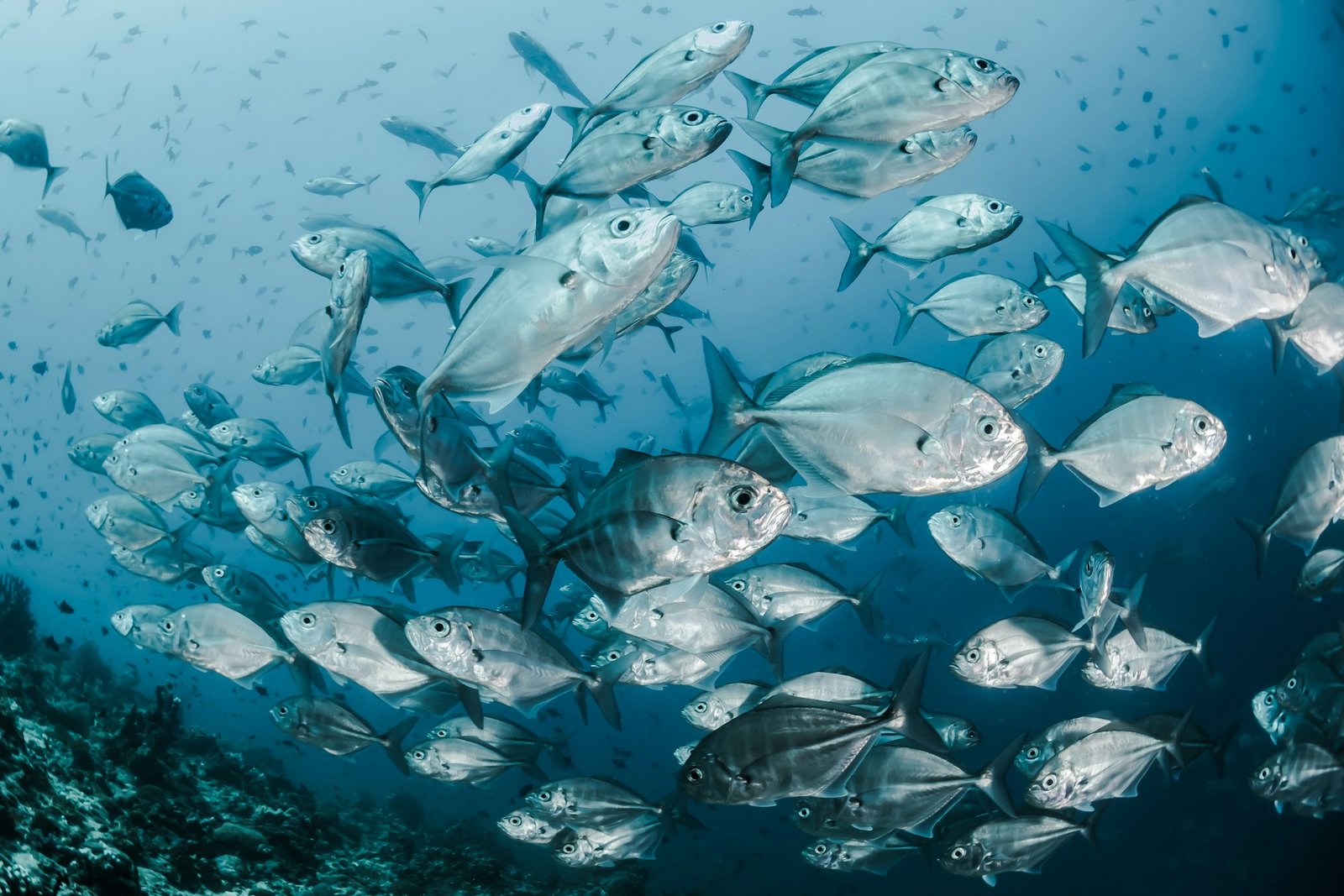
Cenote diving is technically cavern or cave diving in freshwater — deep below the jungle, light beams from cenote openings, halocline boundaries where freshwater meets saltwater, fossils on cave walls. Reef diving is the Mesoamerican Reef diving — saltwater drift dives, schools of grunts and snappers, eagle rays, turtles, bull sharks Nov–Mar.
Which to do first?
If you only have time for 1–2 days of diving, conventional wisdom is:
- Day 1: Reef. Easier on the body, gentle drift, warm-up dive. Build comfort with local conditions and gear.
- Day 2: Cenote. Cenote diving requires more buoyancy control and concentration (rules + line awareness). Better when you've already done a "regular" dive recently.
- Day 3+: Both expanded. Multiple cenotes, deeper reef sites, the C-58 wreck or bull-shark dives.
Plan a multi-day Riviera Maya dive trip. Cenote diving → · Reef diving →
Certification requirements
- Cenote (cavern routes): Open Water + 25 logged dives is typical. Some operators require Advanced.
- Cenote (cave routes): Full Cave certification required and verified before booking.
- Reef Puerto Morelos: Open Water sufficient.
- Reef PDC drift wall: Advanced recommended (current).
- Reef bull-shark dives: Advanced + 50+ logged dives + dedicated shark briefing.
Practical comparison
| Aspect | Cenote | Reef |
|---|---|---|
| Water | Freshwater 24 °C | Salt 26–29 °C |
| Visibility | 30–50+ m | 20–40 m |
| Wildlife | Few fish, fossils, halocline | Schools, rays, turtles, sharks |
| Skill | Buoyancy critical | Drift-friendly |
| Vibe | Cathedral, otherworldly | Classic tropical |
Frequently asked questions
If I only have one day, cenote or reef?
Cenote, if it's your first time in Riviera Maya. The experience is unique to this region — nothing else on the planet looks like Dos Ojos or Gran Cenote on a sunbeam day. Reef diving is excellent here but the closest real comparator is what you can do elsewhere in the Caribbean; cenotes you can only do here.
Do I need cave certification for cenotes?
No — for the standard guided tour. Open Water cert is the minimum, Advanced Open Water is recommended for deeper systems. You stay in the cavern zone (within sight of natural light), which is allowed for any certified diver with a guide. Full cave certification is only required to leave the cavern zone, which guided tours don't do.
Why is reef in Riviera Maya different from Cancún?
Same Mesoamerican Barrier Reef, but different sites and access. Riviera Maya reef sites (Puerto Morelos, Cozumel) tend to be drift dives along walls with stronger currents and bigger pelagic fish. Cancún reef is shallower and more sheltered — better for first-time reef divers, less dramatic for experienced ones. Cozumel from Playa del Carmen is the standout.
What about visibility and water temperature?
Cenotes: visibility 30+ m in the freshwater layer, water 24-25 °C year-round (cooler than the sea), a 5 mm wetsuit is comfortable. Reef: visibility 25-30 m on clean days, water 26-29 °C in summer and 24-26 °C in winter, a 3 mm wetsuit is plenty. Plan dive 1 = reef in the morning, dive 2 = cenote in the afternoon for the easiest body temperature transition.
Do both on a multi-day trip. Build my plan →